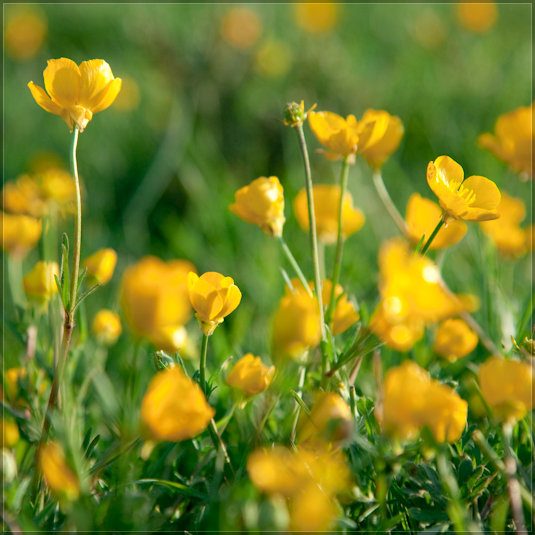
Fungi foray in the New Forest
DISCLAIMER: I've labelled mushrooms on this blog. I'm new to foraging and my labels may be wrong. Refer to a professional. We had the knowledgeable Lisa of Edulis and Matt of Eden Wild Food by our sides to show us the ropes.
Showering at the end of today reveals little pin-pricks on my skin from brambles, itchy raised bumps of stinging nettles unnoticed until now, and "foraging fingers" of yellow, brown, and slime. This all gives way to an overwhelming sense of a thrill which, until recently, I'd have reserved for discovering a new piece of music from my favourite artist or experiencing some new culture or cuisine.
Rewind the clock back 2 weekends, and I was camping in the New Forest. Camping is not a pastime I had ever relished. I had taken every opportunity over the last 15 years since my teens to scald the stupid types who trade warmth, civilisation, slated pitched roofs and other first world comforts for a night in an undersized, cold, damp figleaf of canvas that barely covers enough floor space to lie in the foetal position. I'm not an outdoorsy type.
But after 16 years of refusing to camp (I last camped in my teens), I gave in, on the proviso that there would be a minimum of 18 inches of air between me and the ground at night - oh - and on the proviso we would find a room with a view.
The reason for all of this camping nonsense? Mushrooms. I've long held a great deal of respect for fungi, although I've not until now known the first thing about the subject.
We booked onto a mushroom course, and within a day of meeting the wide-eyed Lisa Cutcliffe of Edulis Wild Food, I was bitten by more than one type of bug.
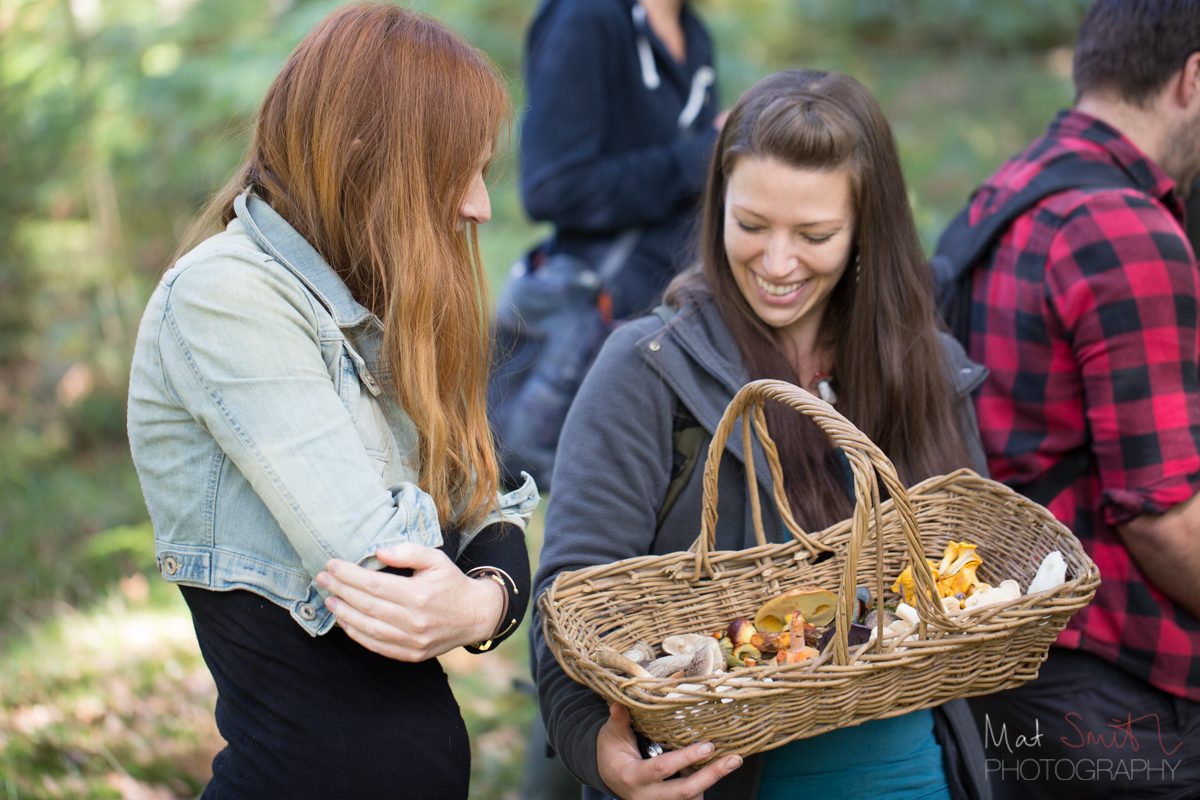
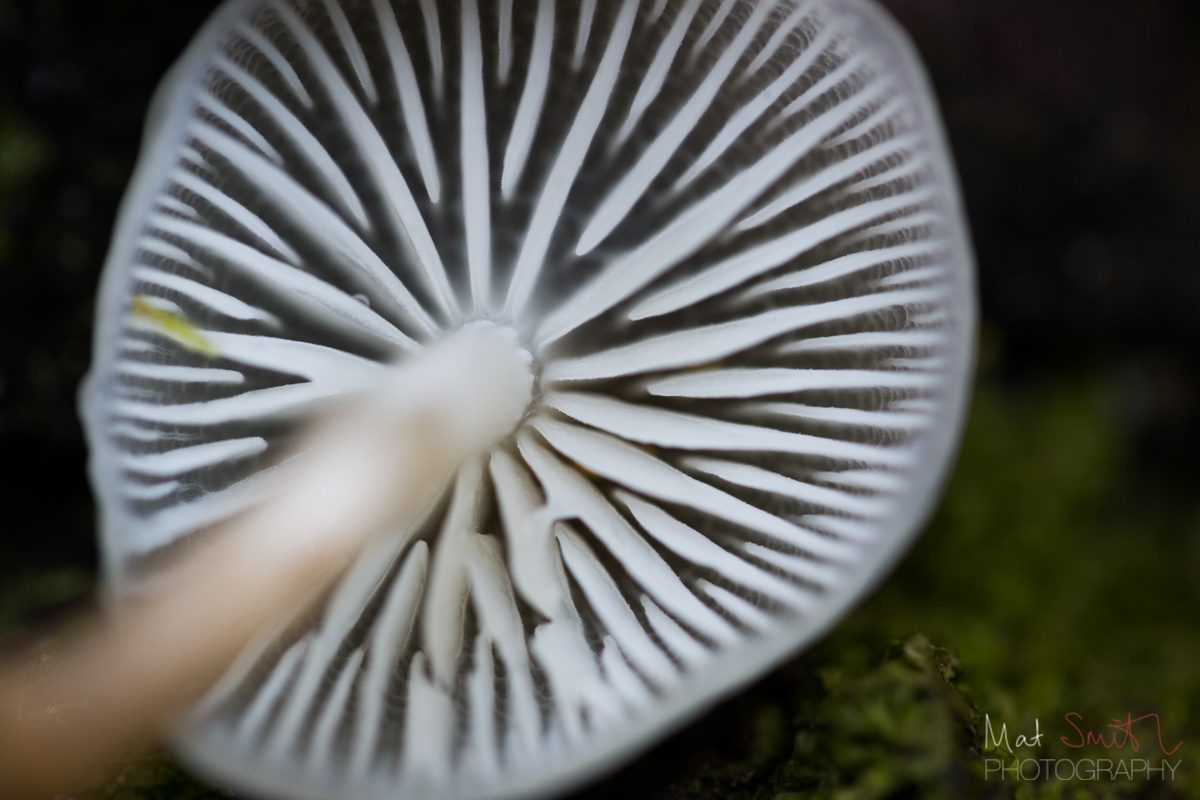
The common reaction to "I'm going to pick some mushrooms to eat" is "goodness, isn't that dangerous?". Well it only took a day with Lisa to realise how much I have to learn in the coming years about the enchanting world of fungi, but this one day certainly set me on the right path. Now I'm able to confidently identify 20+ mushrooms from 10 paces. Since the course I have become somewhat obsessed with how to determine the right environment for different types of mushrooms, and this seems to me harder than making sure you don't poison yourself.
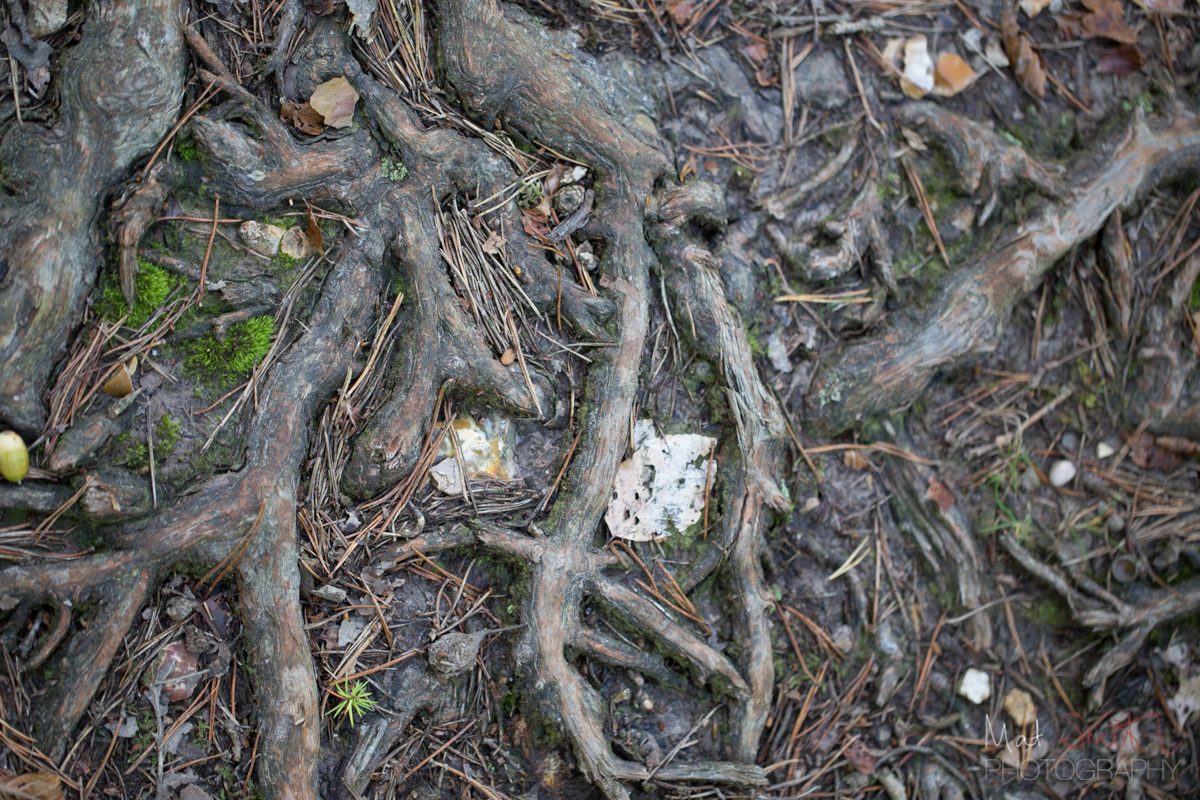
It's hard to work out where mushrooms grow.
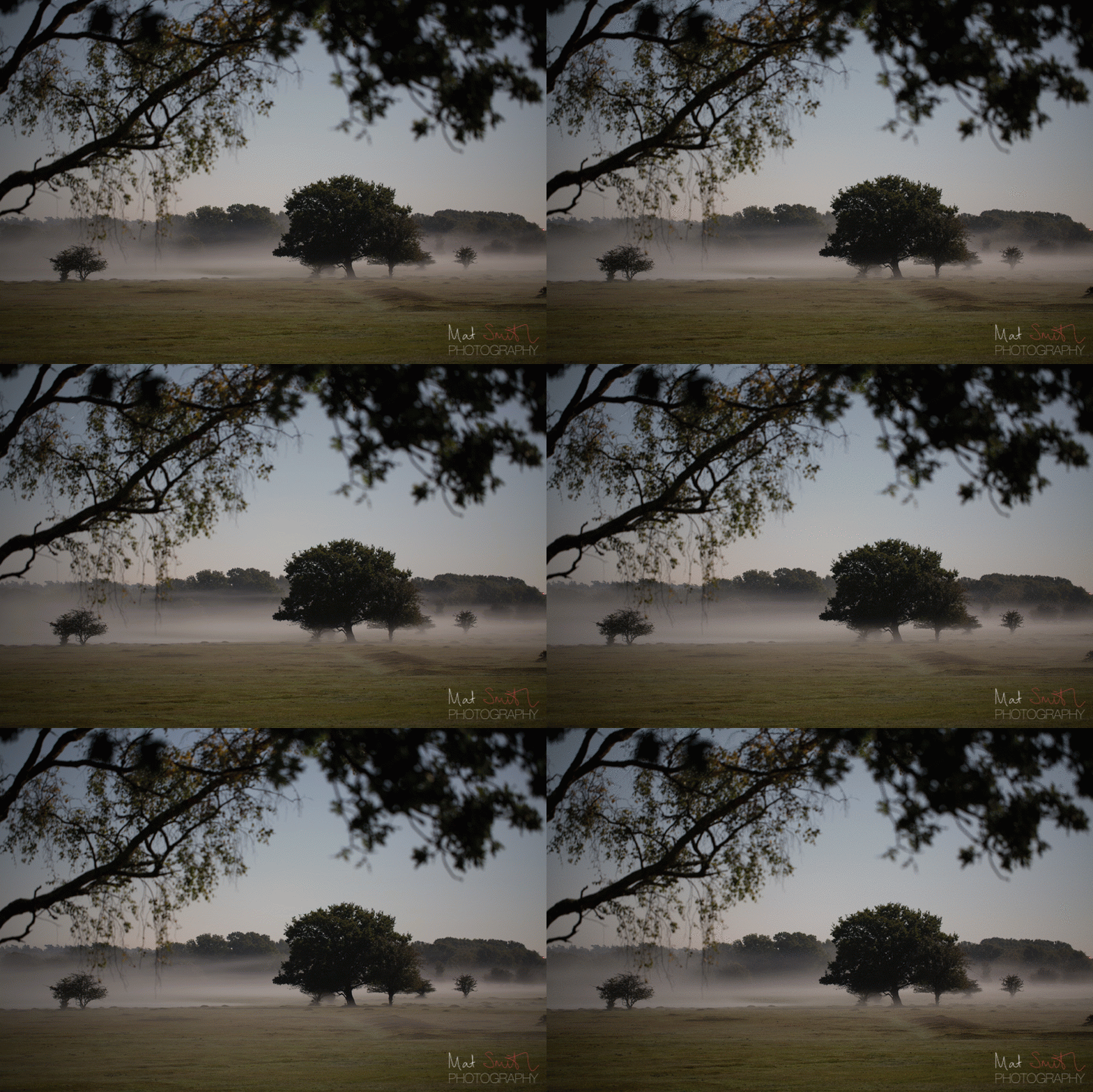
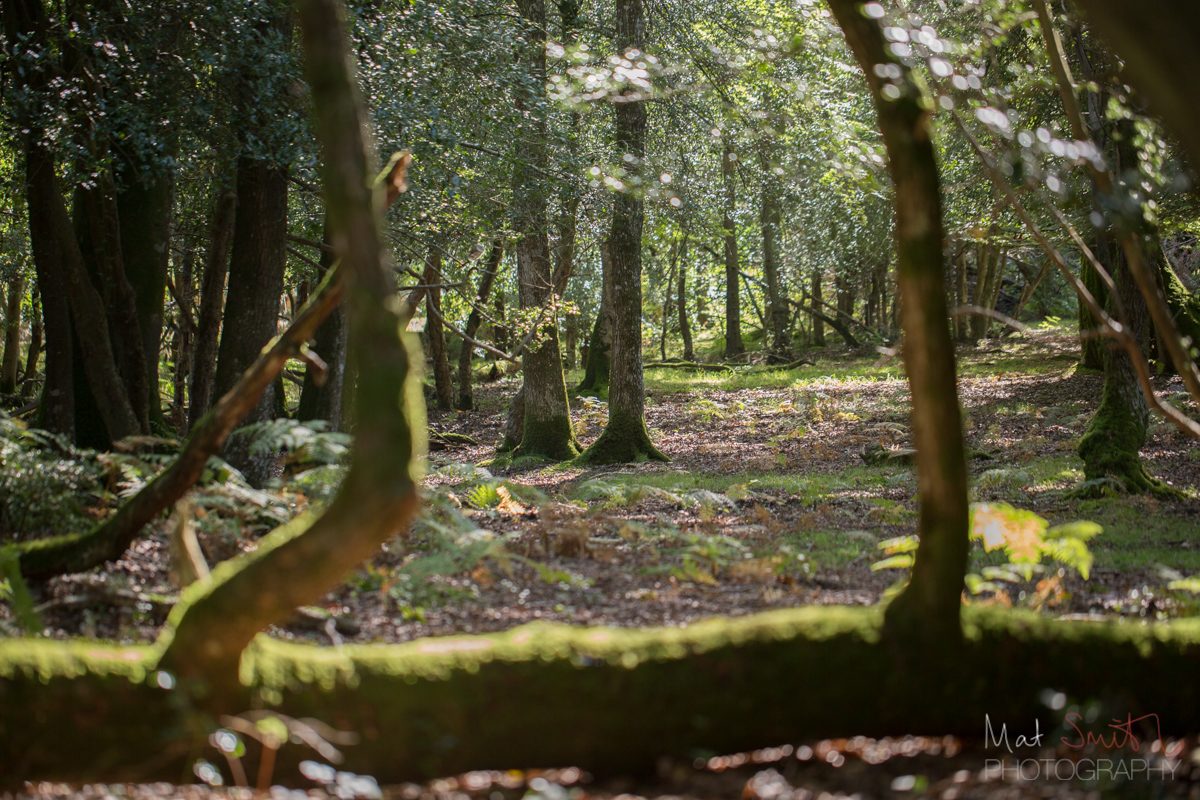
But if all else fails, you could do worse than starting with a wood that looks like something out of a fairy-tale:
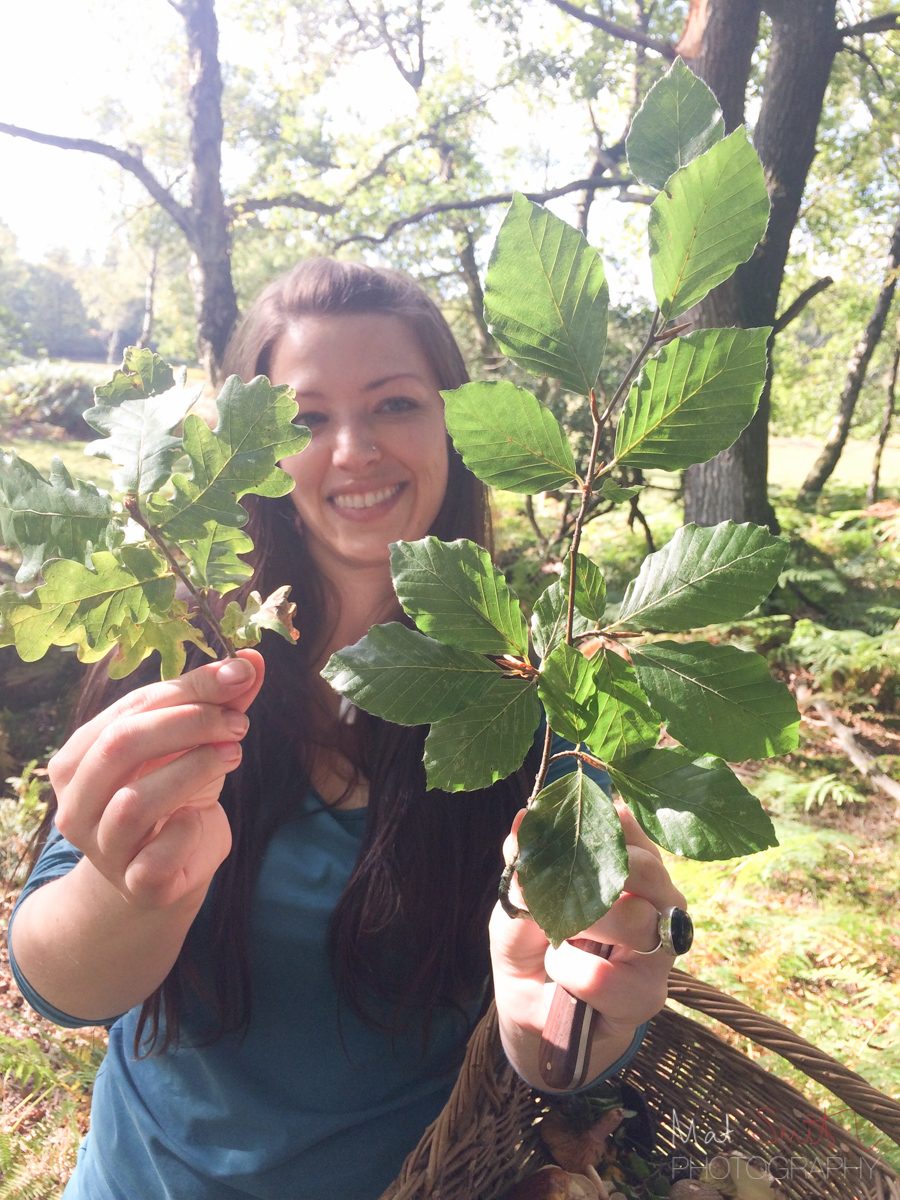
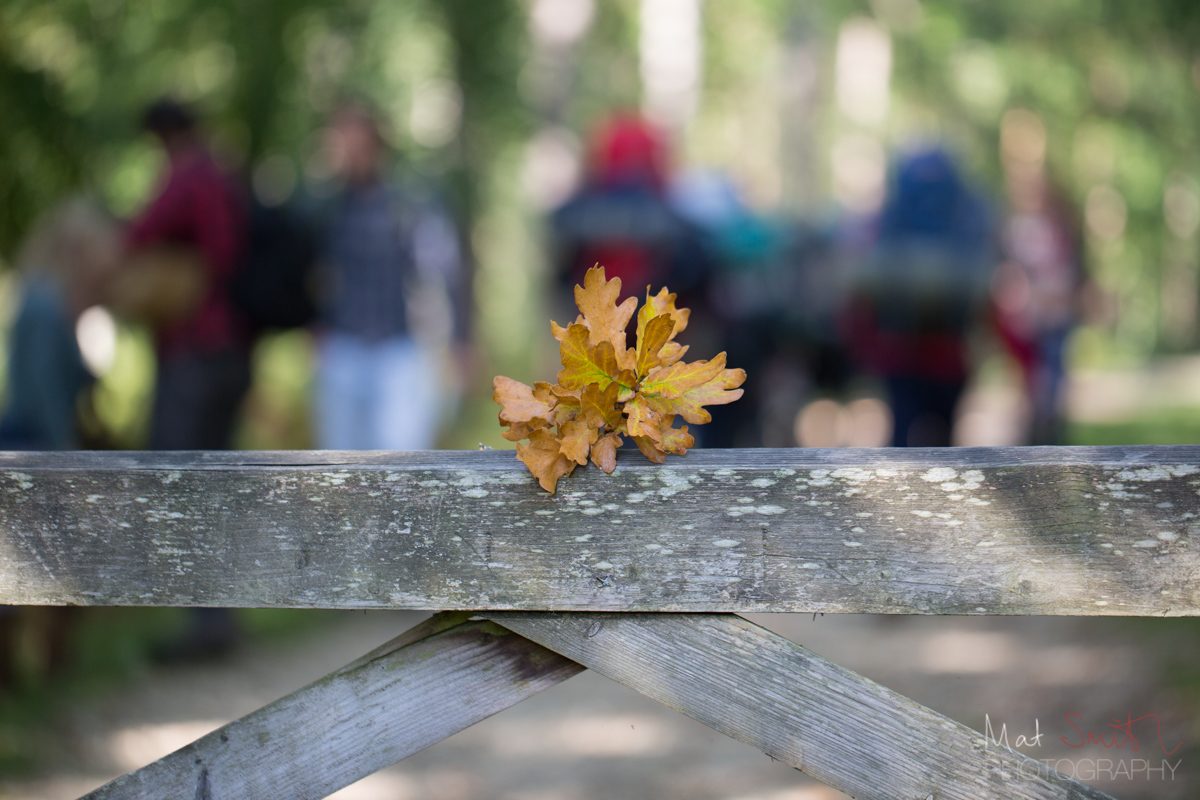
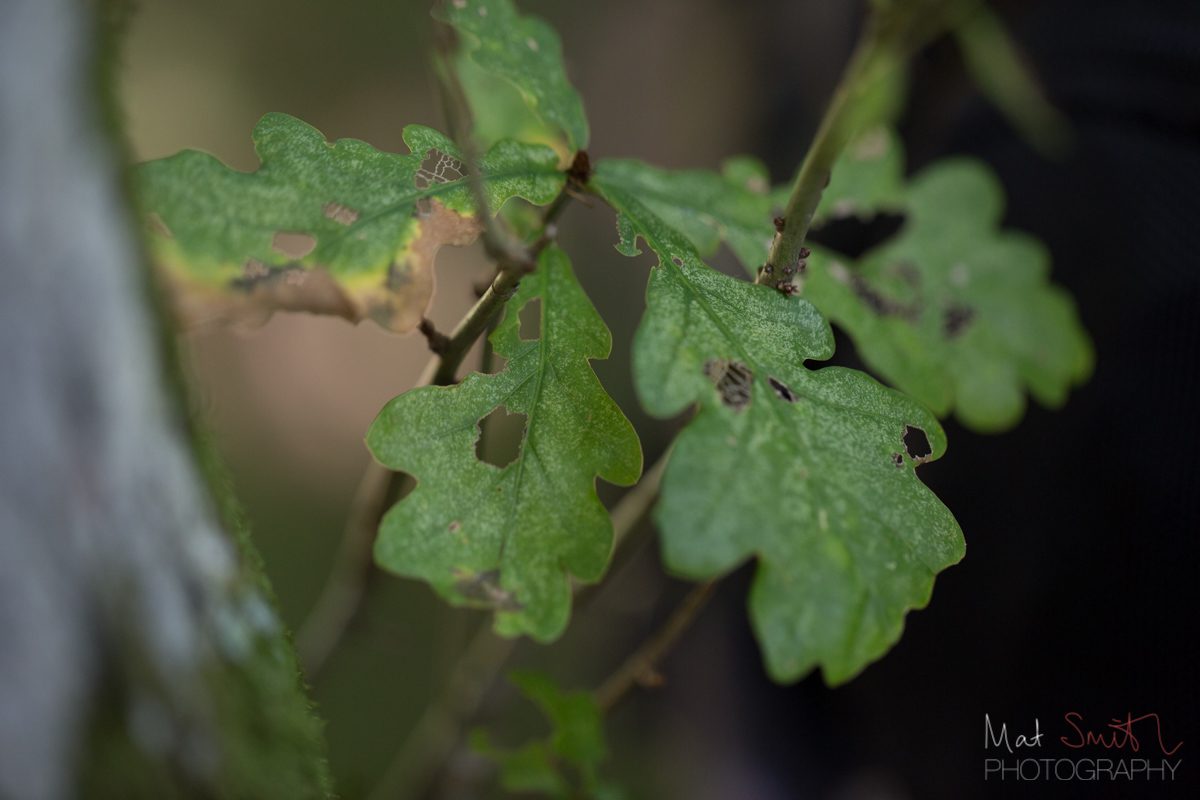
Lisa taught us about the trees that fungi seem to latch on to most, I won't spill the beans here but these are two of the main four:
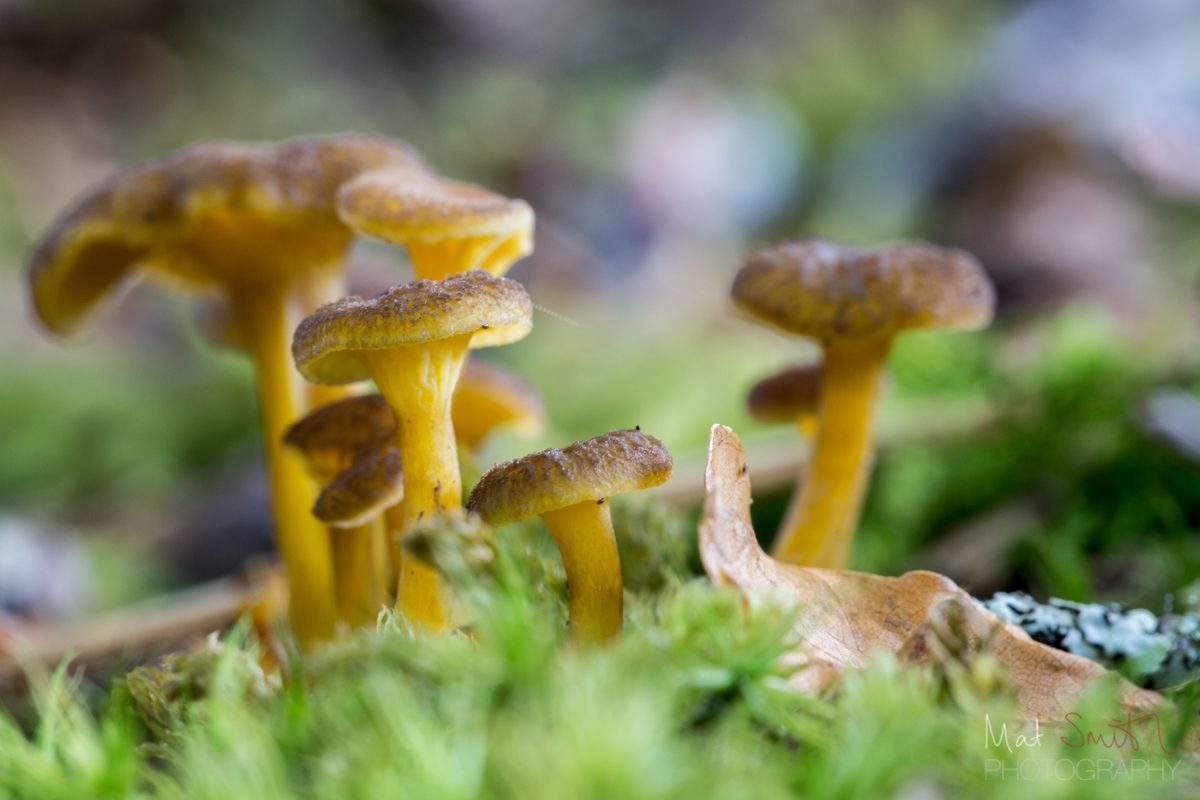
An early success: some beautiful Chanterelles.
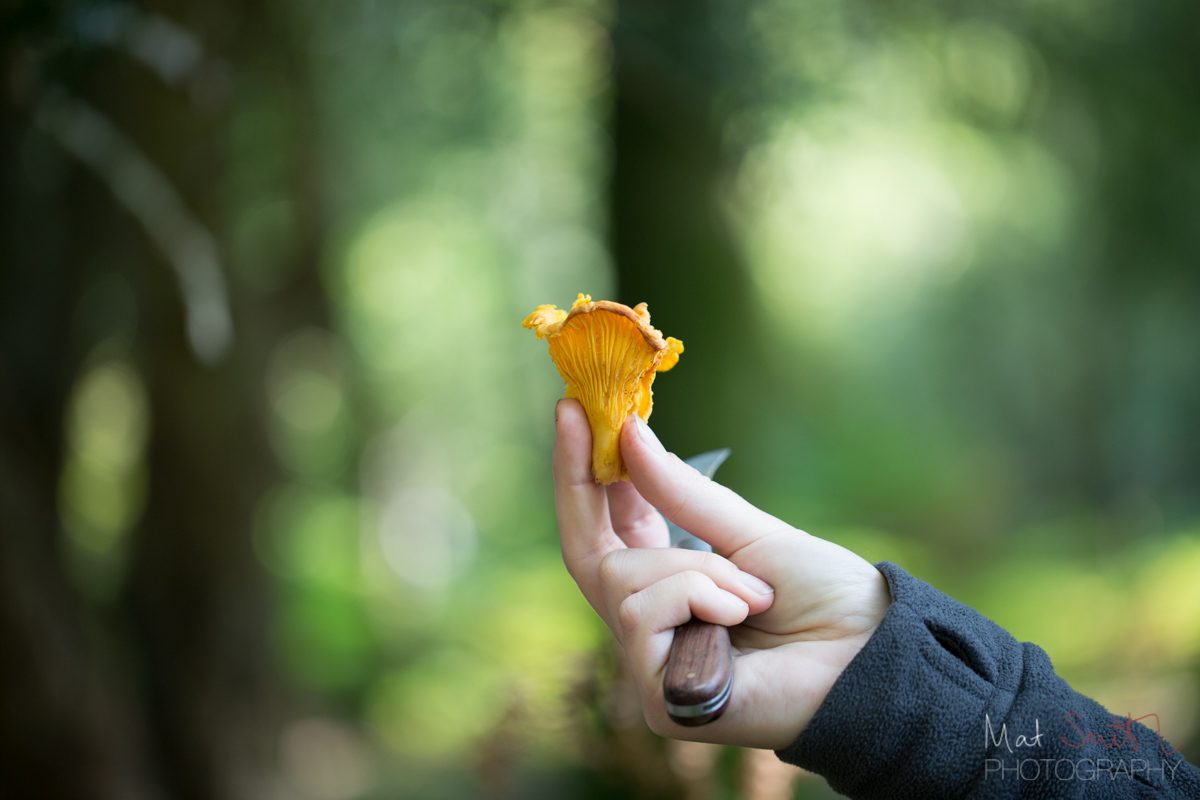
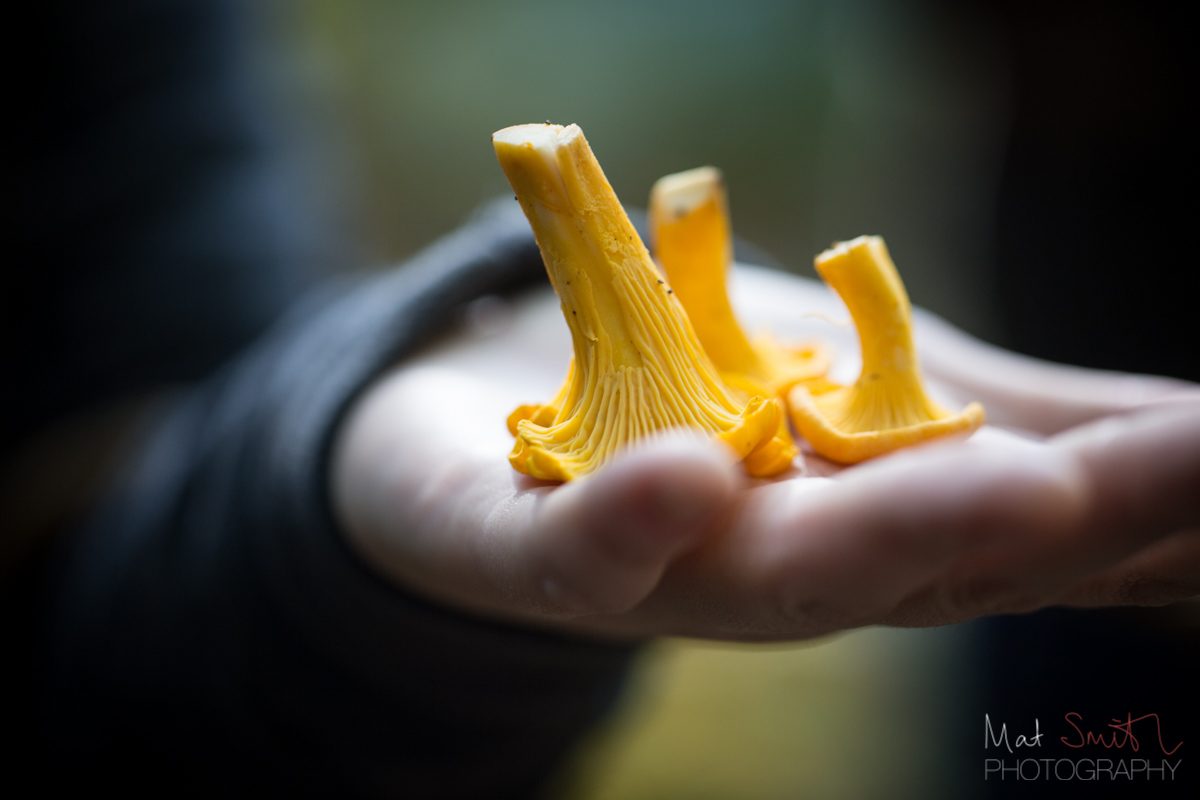
One of the memorable pieces of advice given to us by Lisa was this:
Start off by learning the 50 tastiest edible mushrooms, and the 50 most poisonous ones, and don't bother with everything in between.
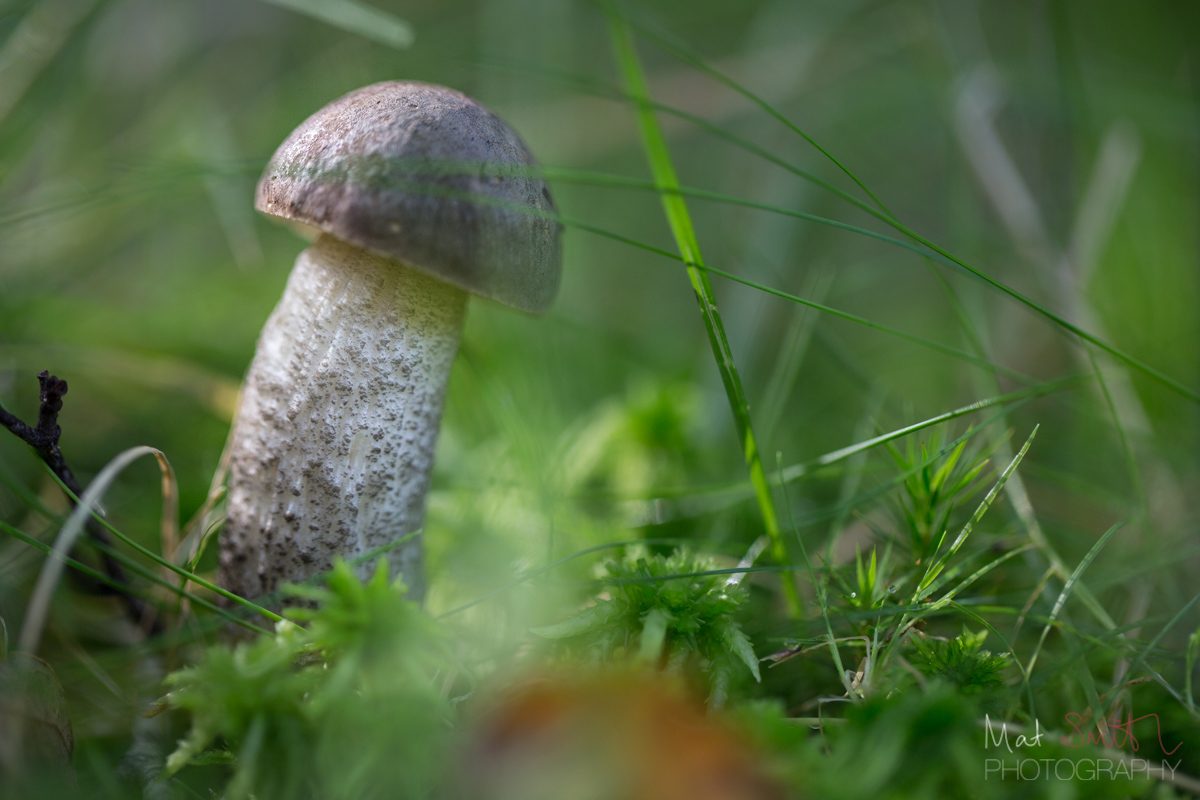
To my mind, the safest place to start is to look for the Boletes. These are mushrooms with tubes underneath the cap, as opposed to the more common gills. Apart from one or two of the more rare Boletes, they are all pretty harmless, and the best Boletes can be some of the most valuable and delicious mushrooms. The Cep (aka Porcini or Penny Bun) is one of the superstars of the mushroom world, as such they can be a great find.
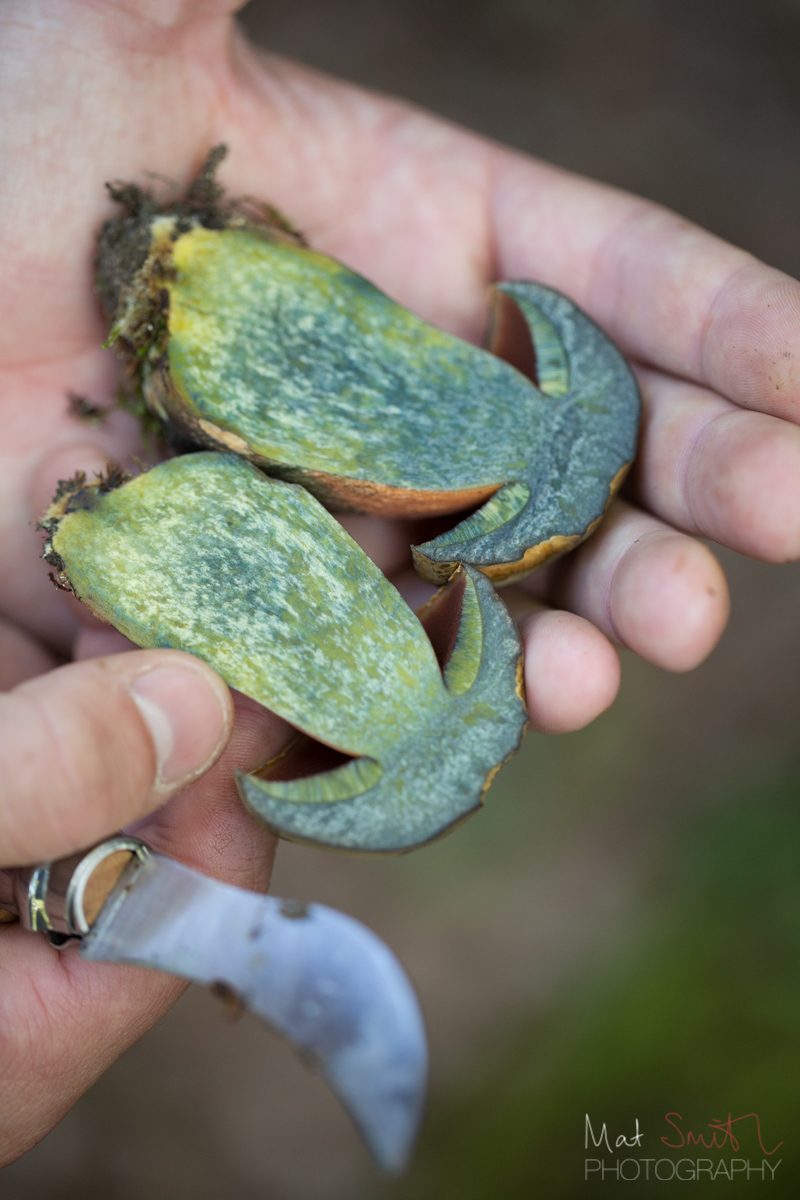
Here are some Boletes. Had I seen the bruised underside before, I would have thought "ugh, that's a rubbish mushroom". Now I have a great fondness for seeing the tubes under a Bolete bruising blue. Combine this with brown flecking on the stem and this means you've found a Bay Bolete:
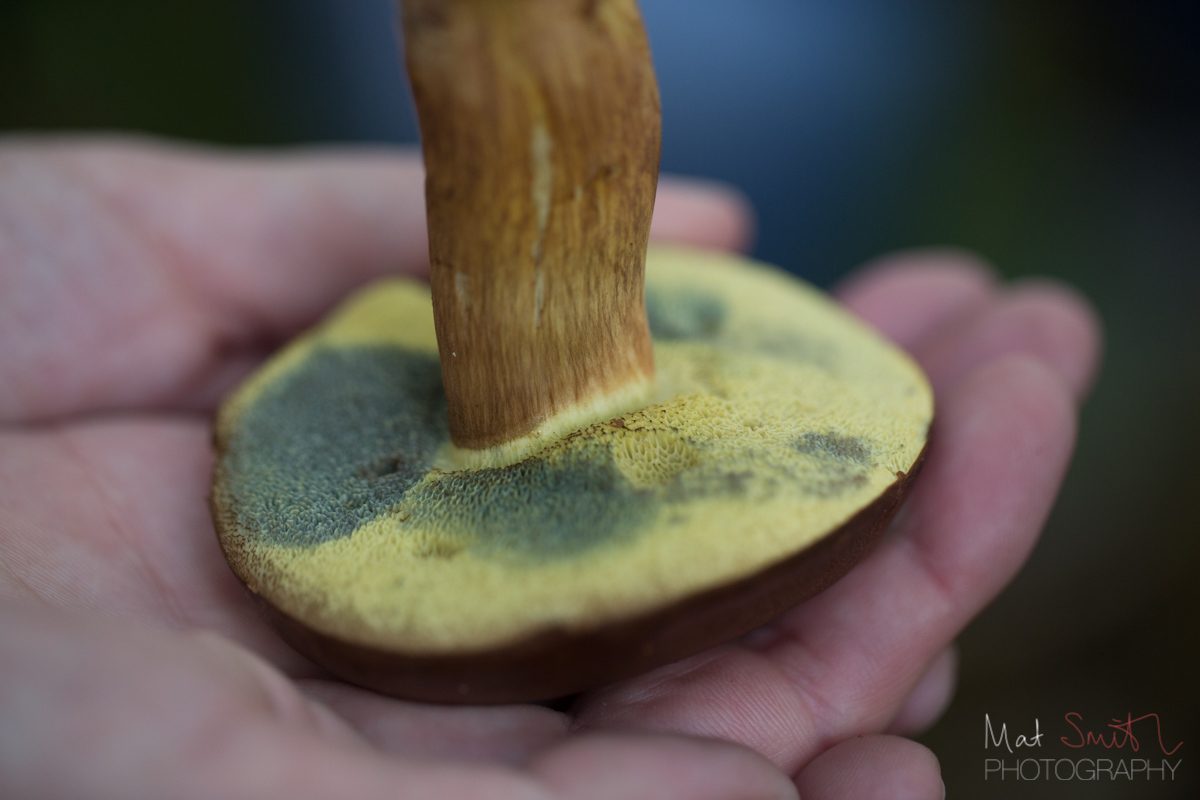
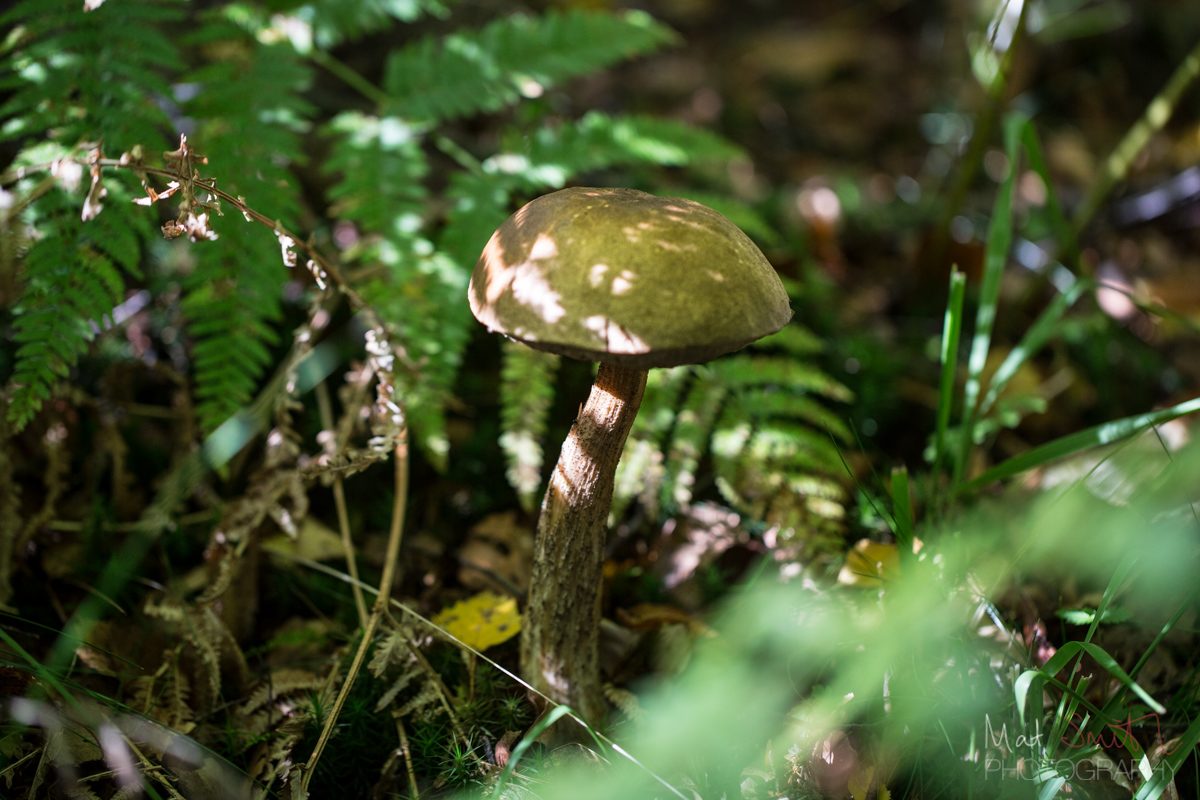
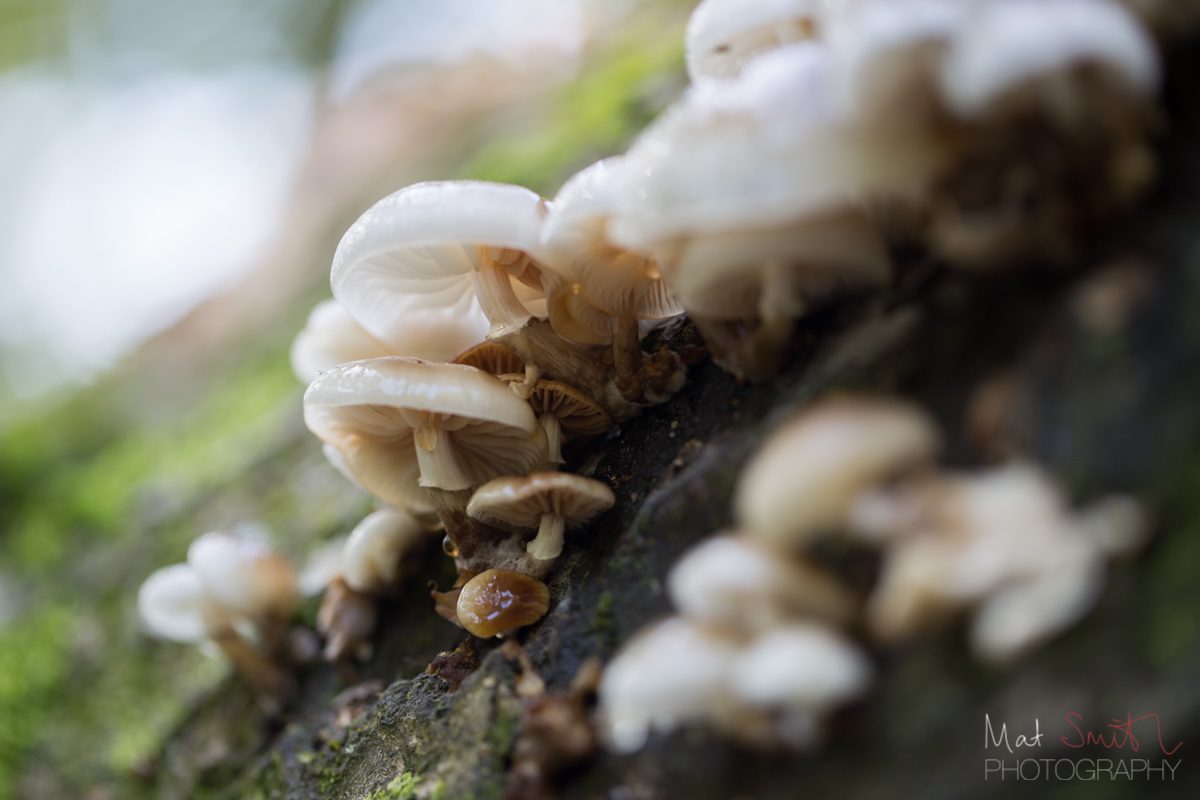
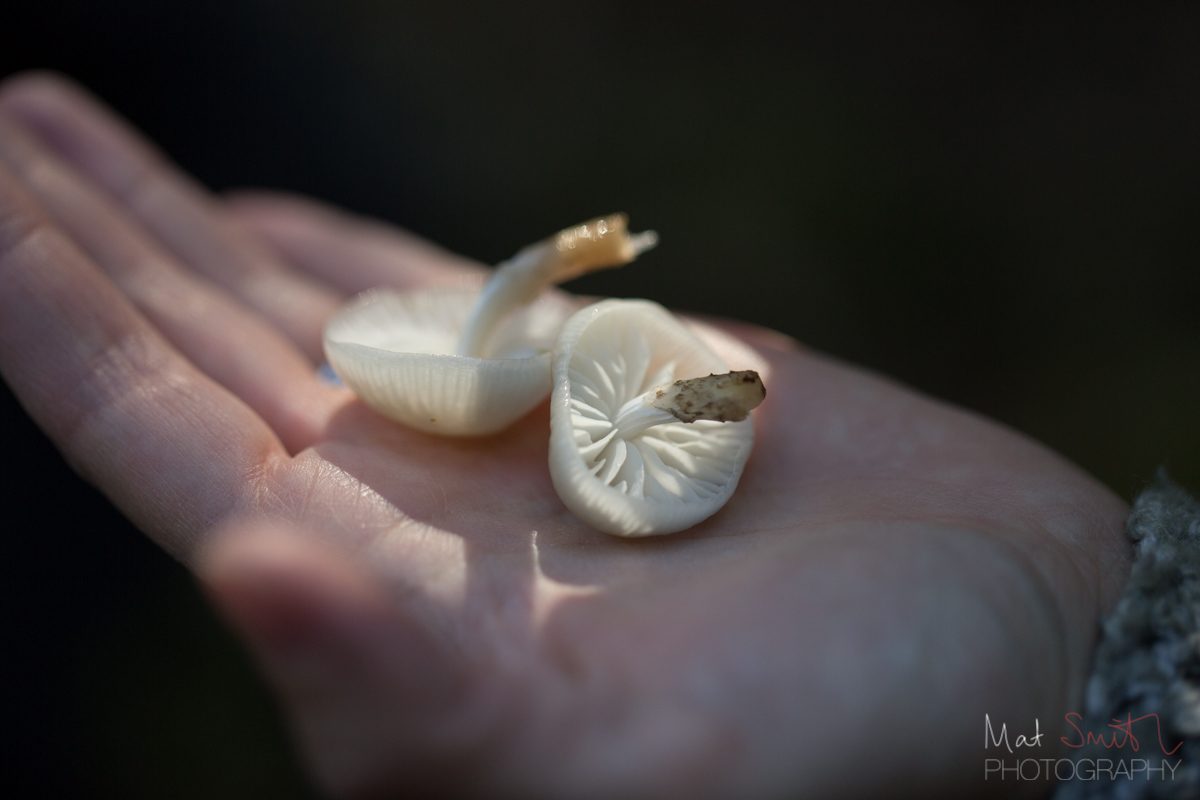
These slimy looking mushrooms are called Porcelains, and they are edible. They are very fond of Beech and they grow in this tufted manner. I've found quite a few since our day with Lisa but I'm yet to take the plunge and cook them up! They are exquisite to look at and touch.
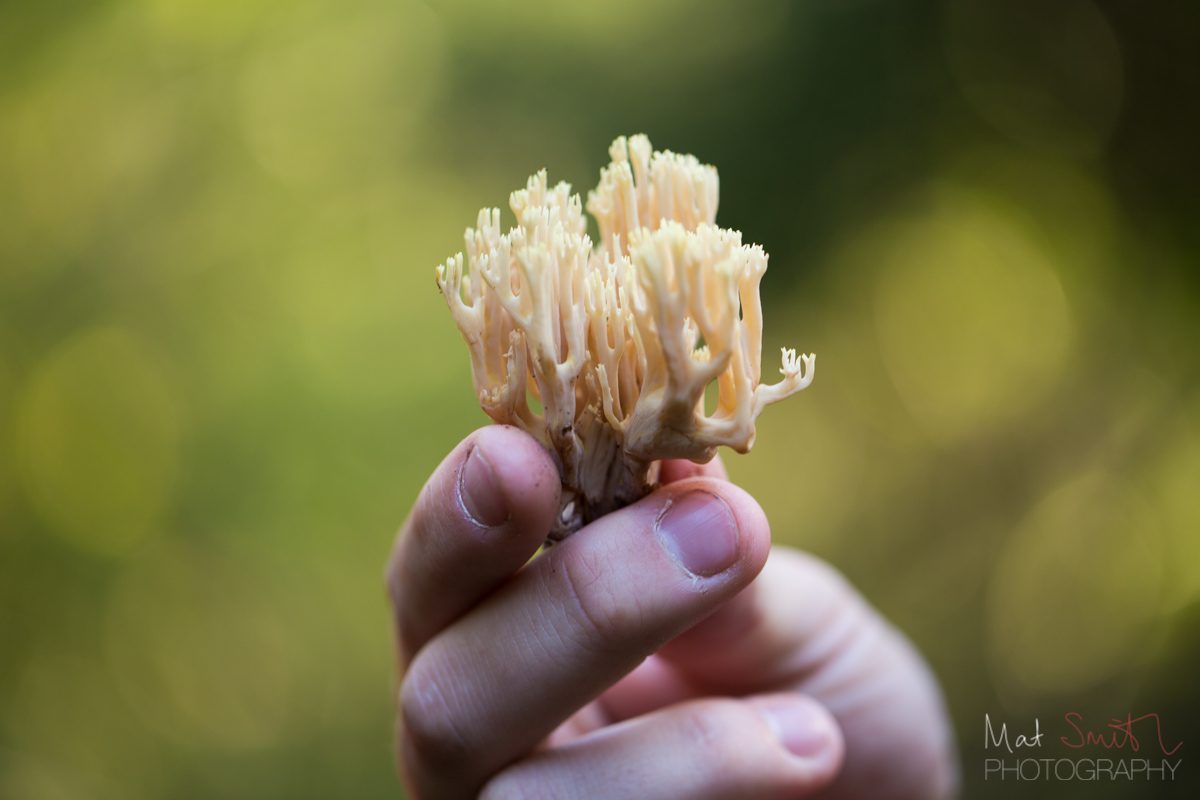
We met quite a few weird fungi on our travels, including this little coral:
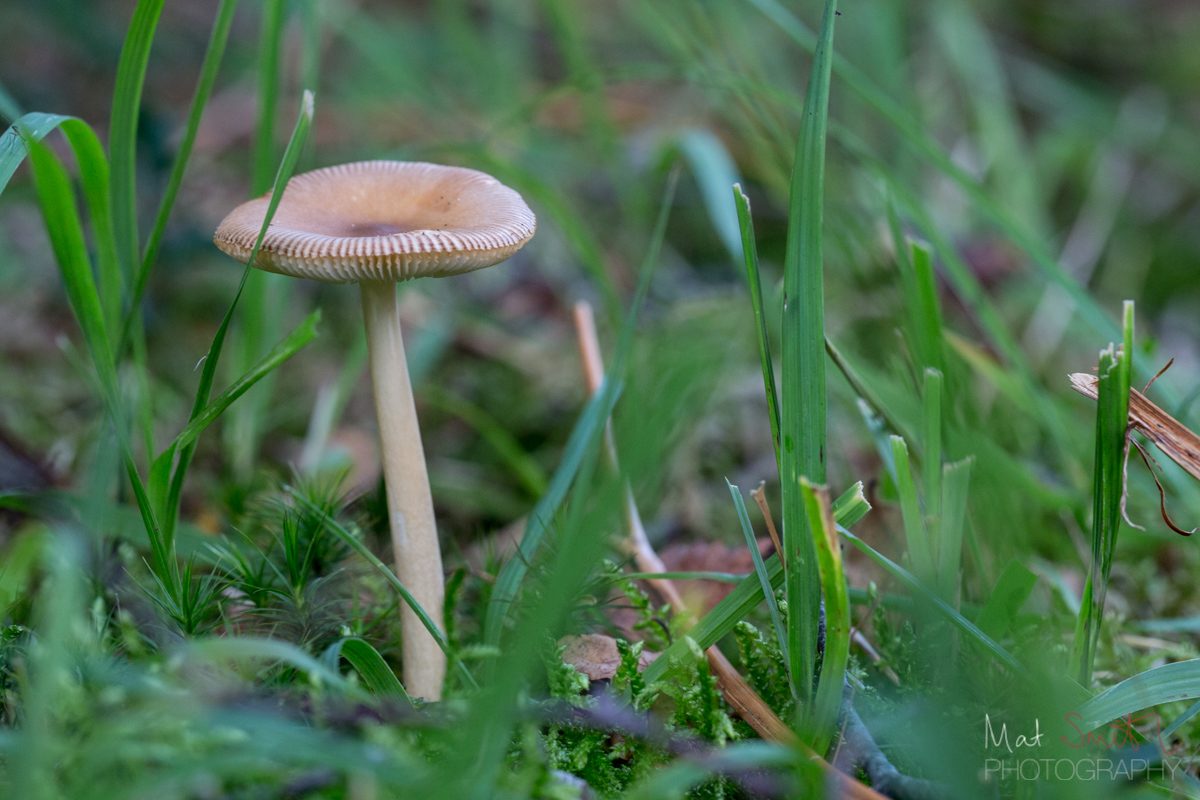
The Tawny Grisette with its strongly grooved cap edges and tall elegant stem:
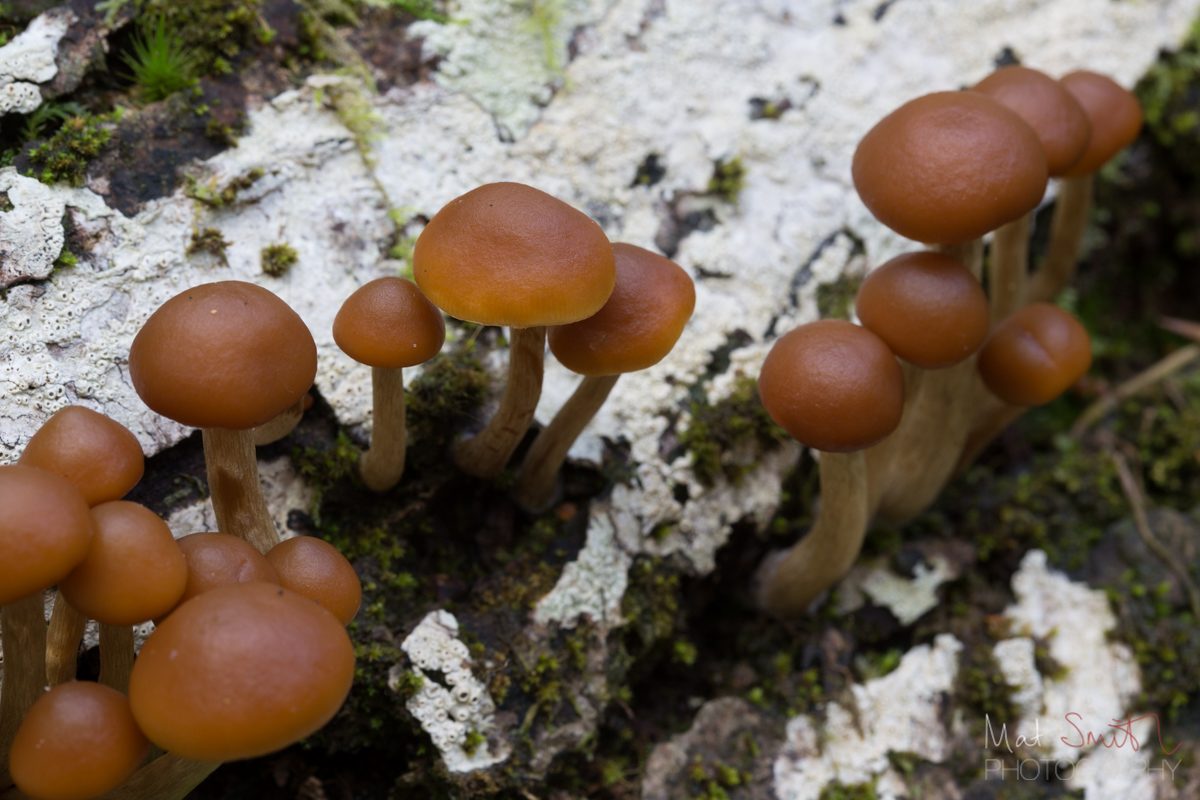
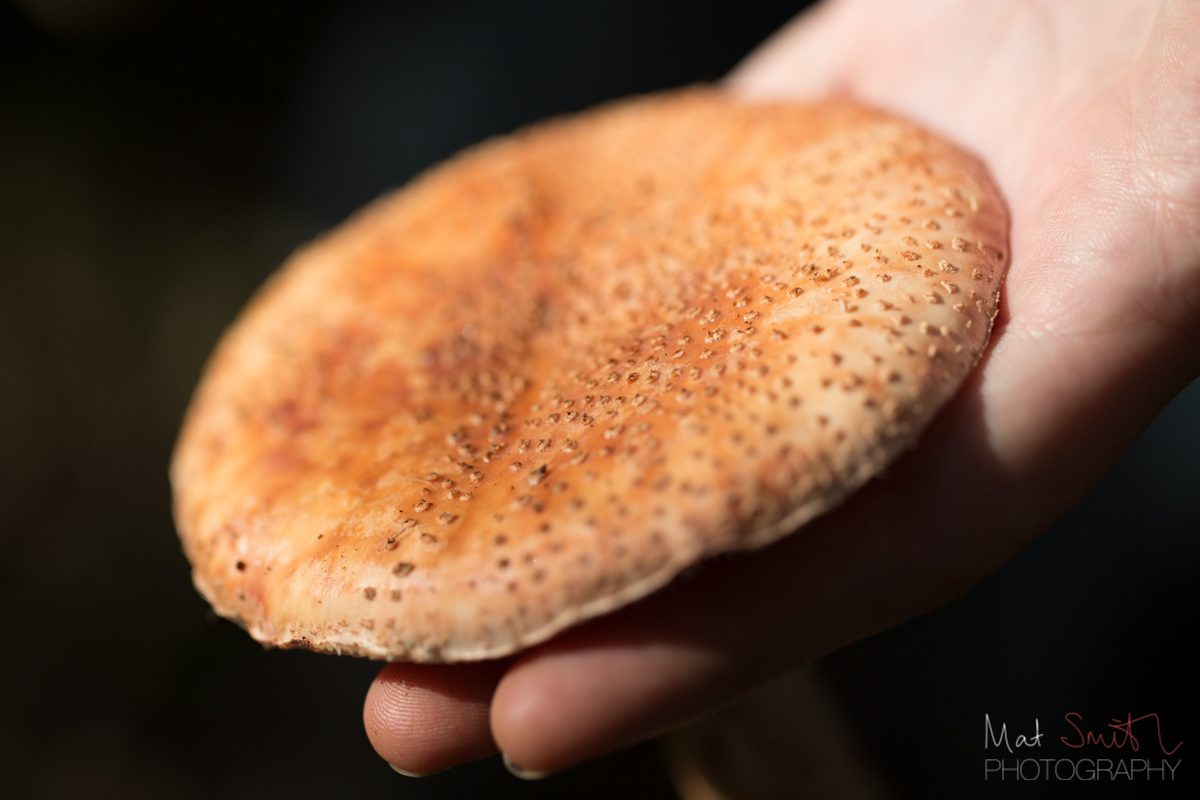
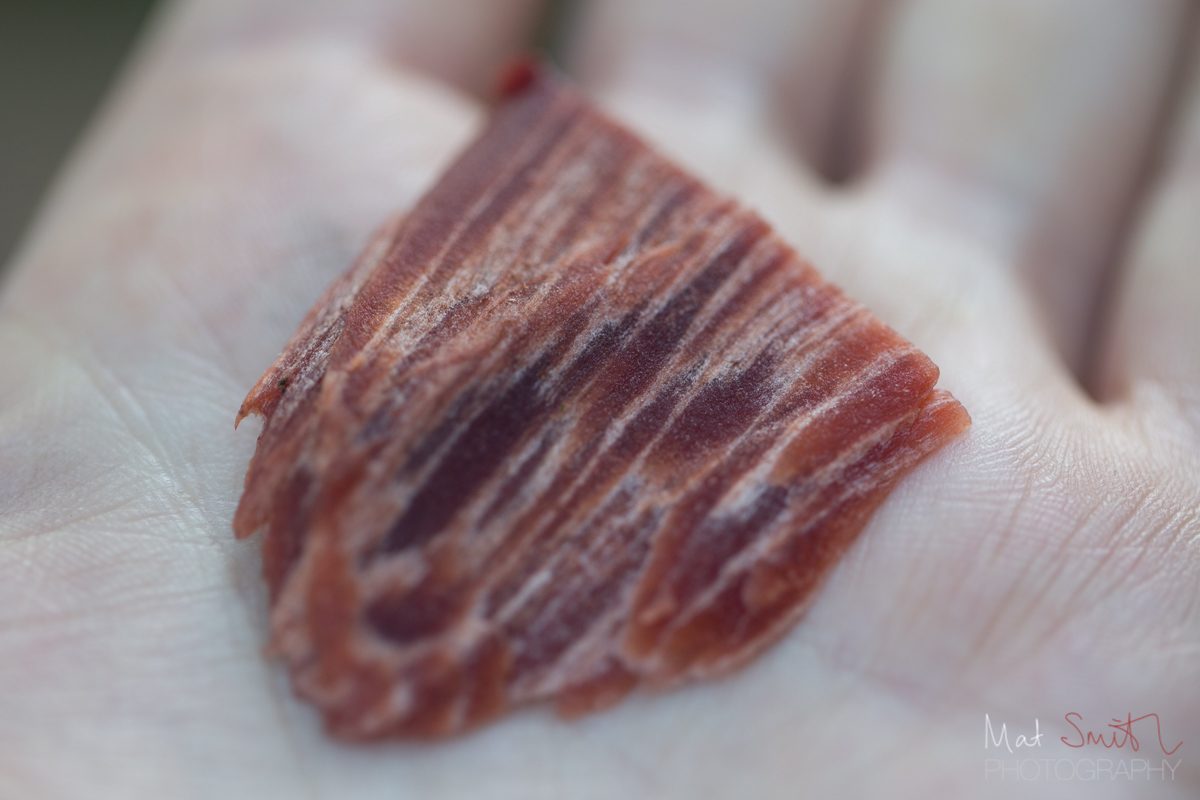
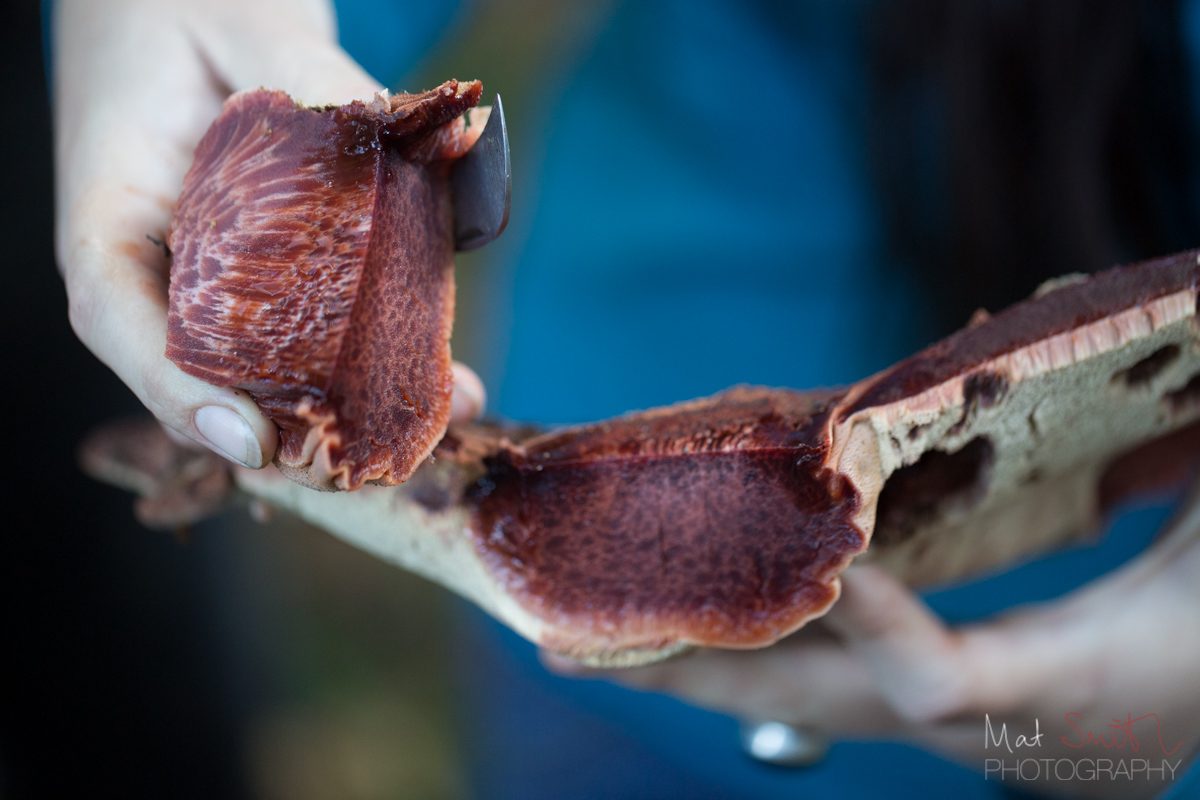
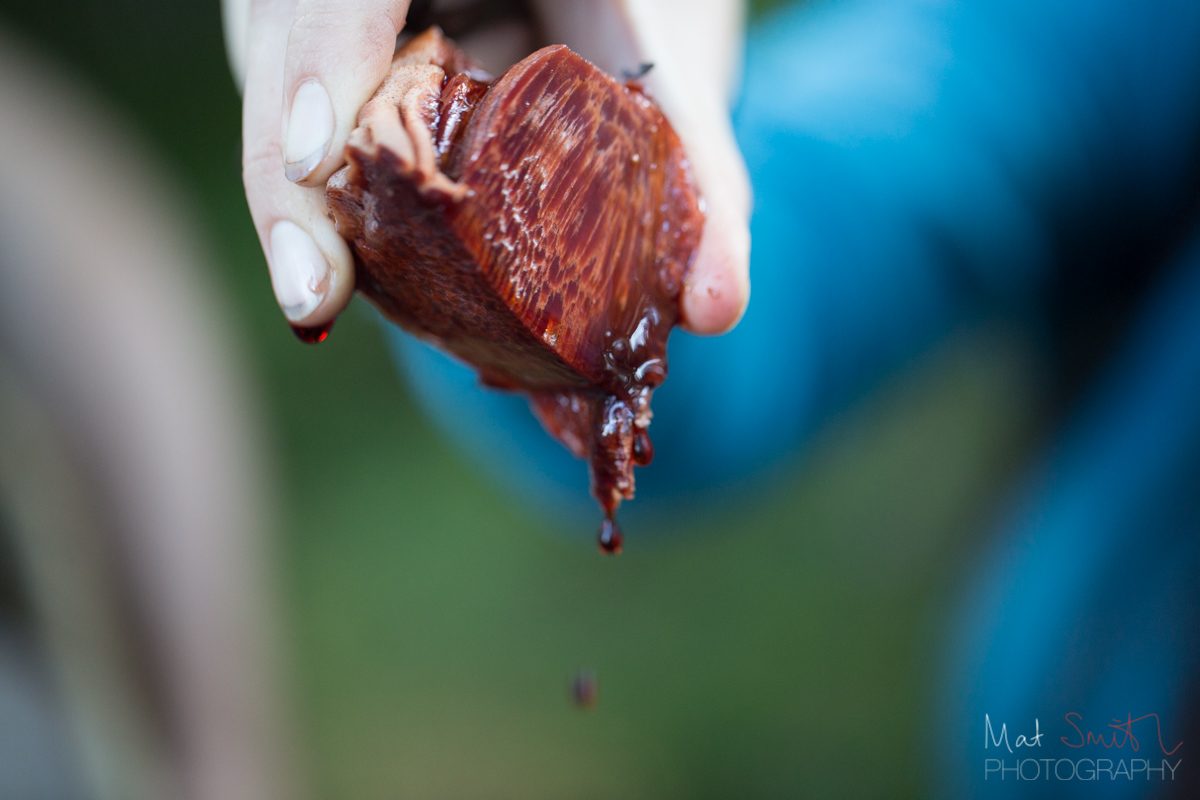
Lisa opened our eyes to so many wonders of the natural world, including this Beefsteak mushroom found by one of the course attendees. You can pull these straight from the tree and eat them raw. Surely this is the closest thing in the natural world to eating cured meats?
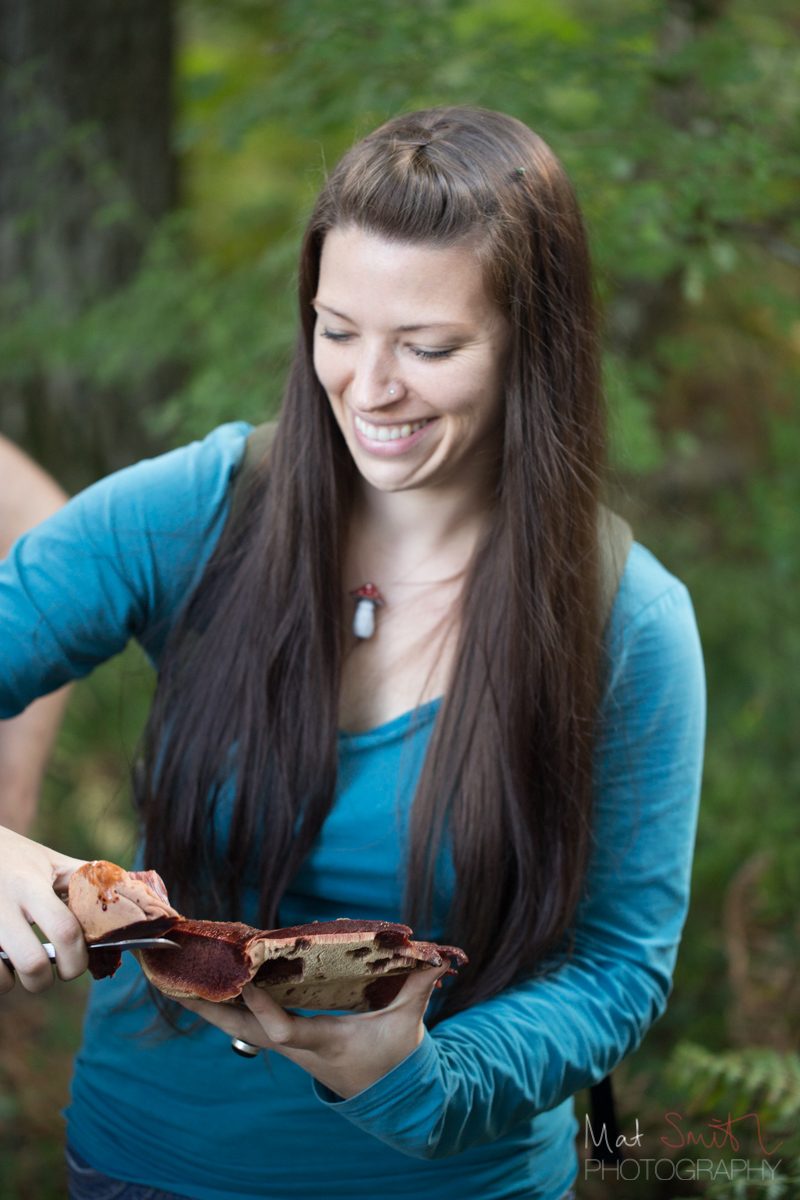
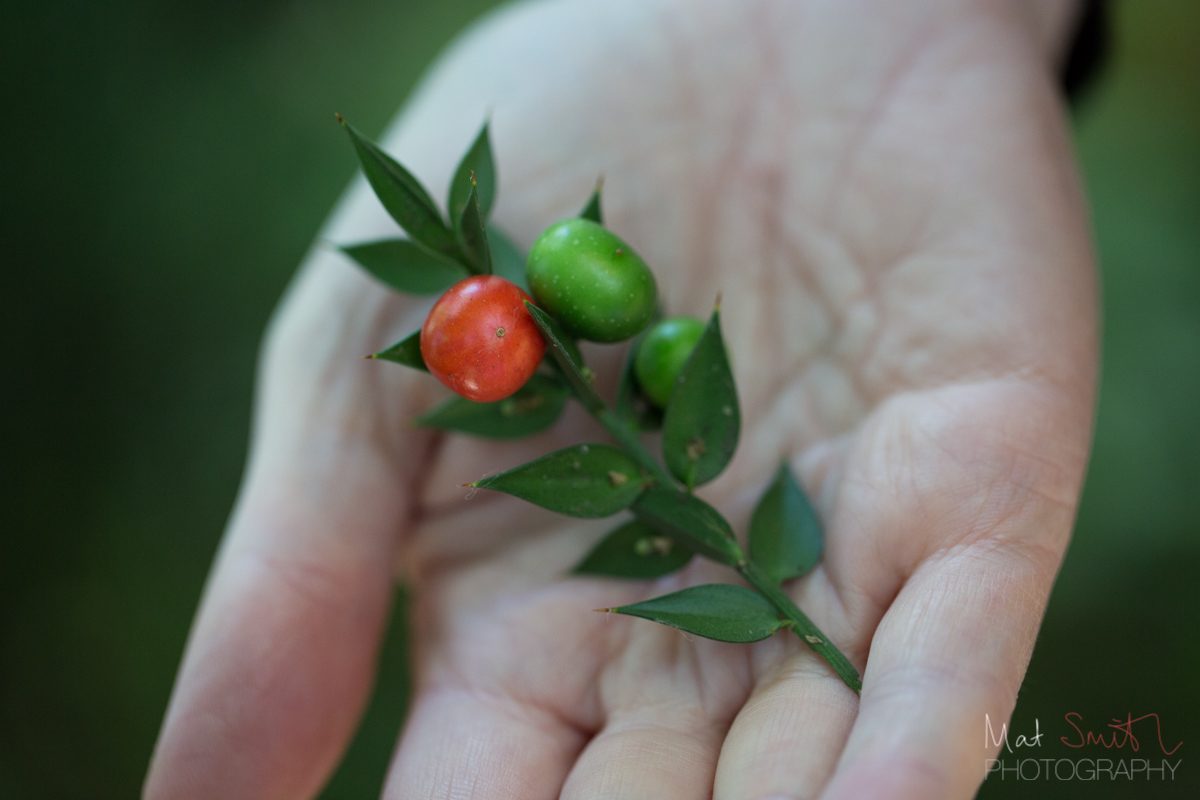
Although this was a fungi foraging course, we also took some time to get to know a number of other special things in the New Forest, including edible flowers, mosses, hawthorns, sloes. Here is a plant known as Butcher's Broom, said to have been used by butchers to clean their block as the leaves are very tough and scratchy.
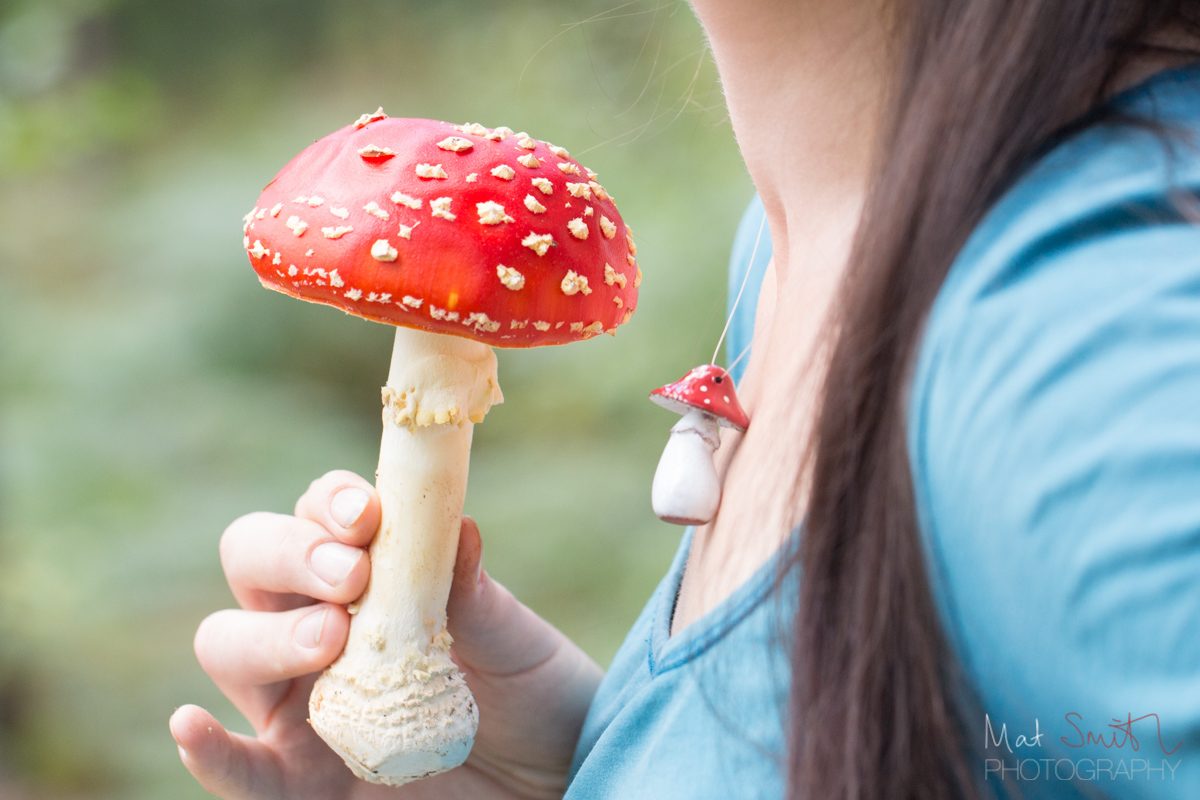
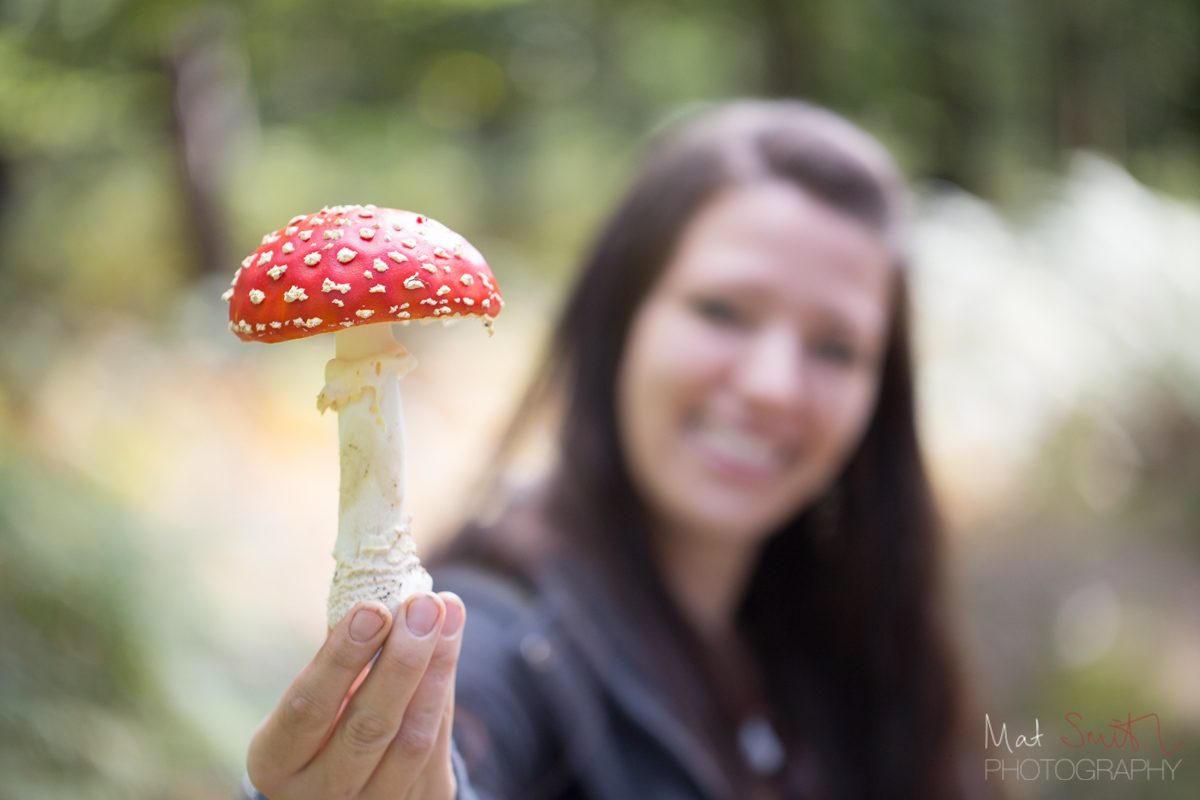
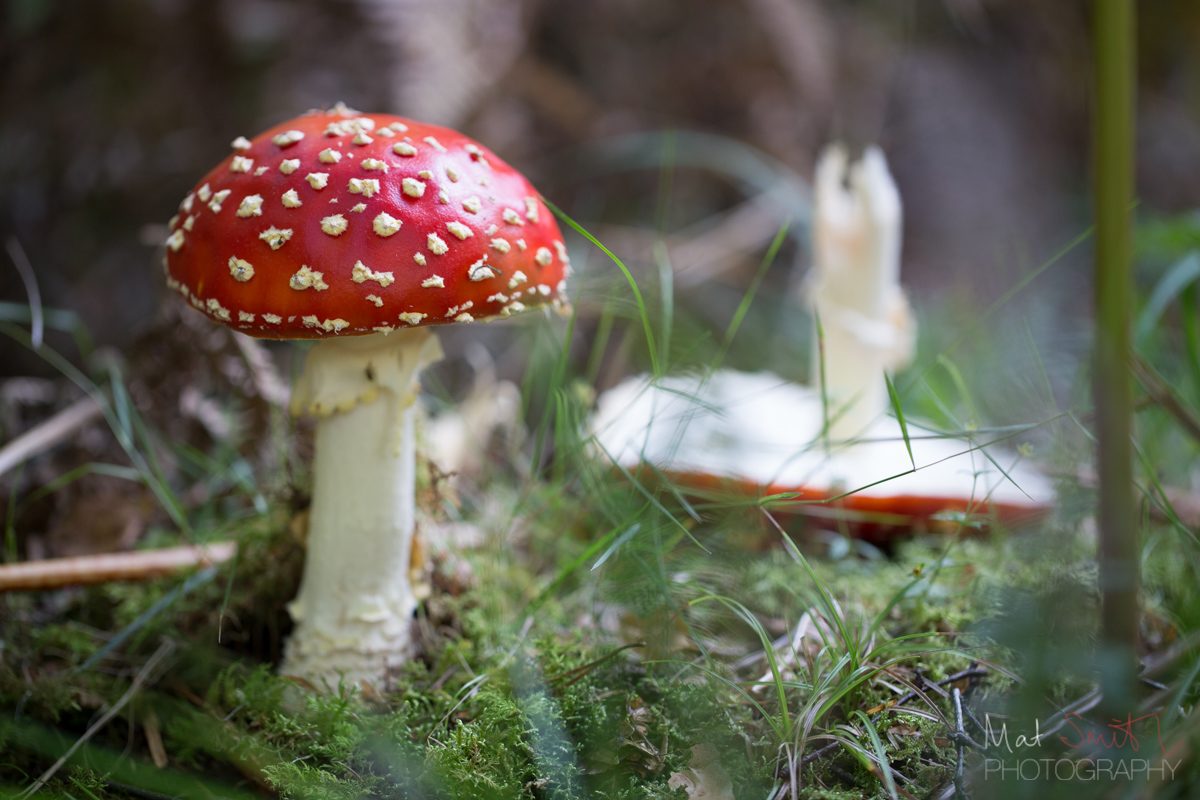
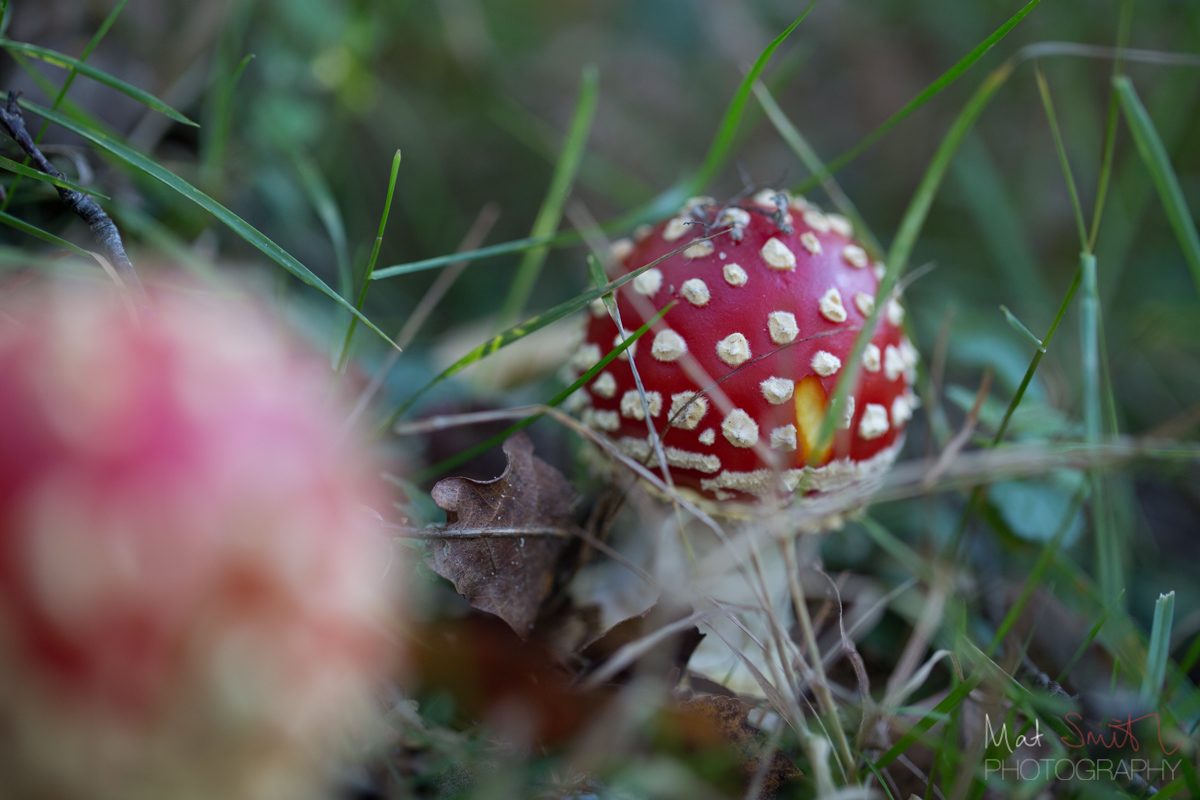
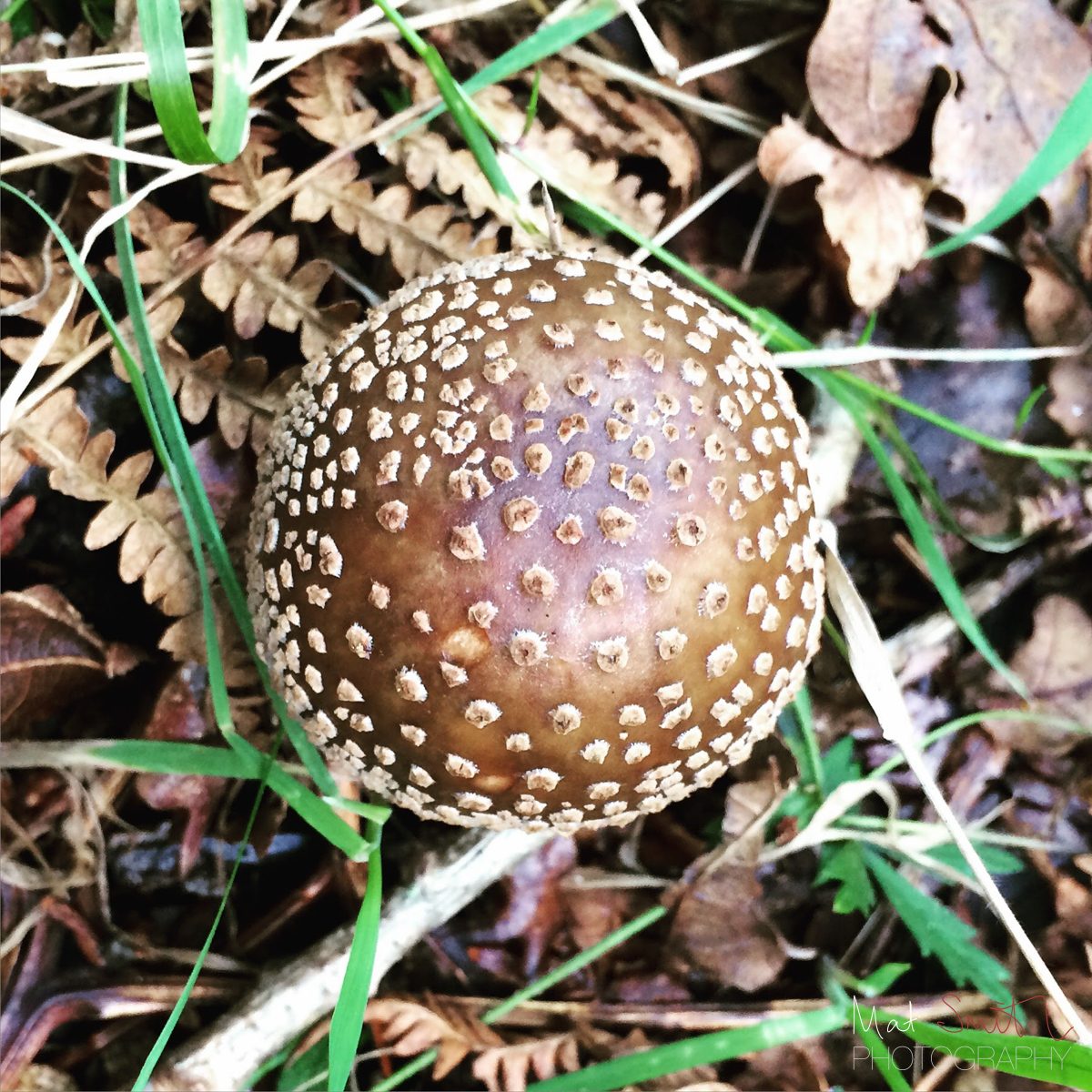
We did concentrate on edible mushrooms, but a lot of time was given to the inedibles which can be equally (if not more) alluring. Here's Lisa and her Fly Agaric, with its own mini-me:
Our group of 20 stopped for lunch. Lisa had dreamt-up an amazing 4 course meal, starting with the mushrooms we had picked that morning fried up in butter and garlic and served with bread, followed by a feast of venison, ale, and wild mushroom stew, then a selection of cakes made with foraged goods, and finishing up with lots of impressive home made tipples (birch sap syrup, raspberry vodka, and many more!)
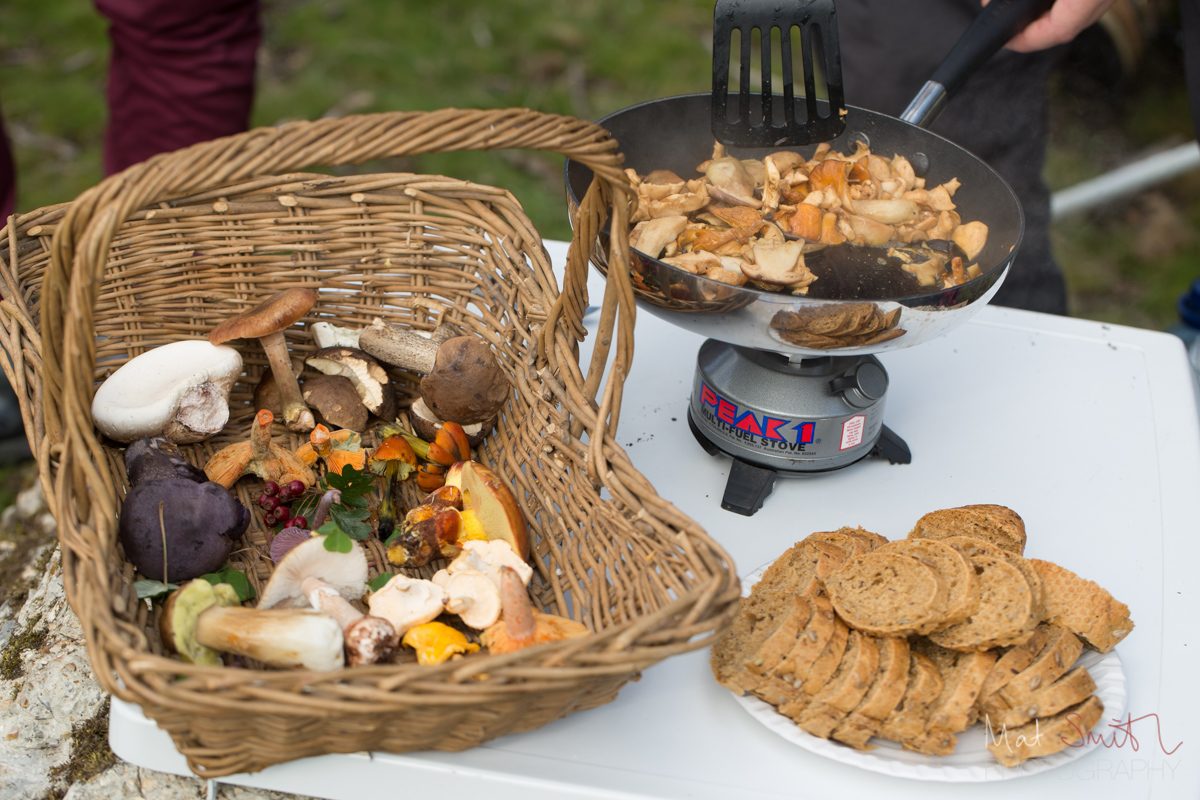
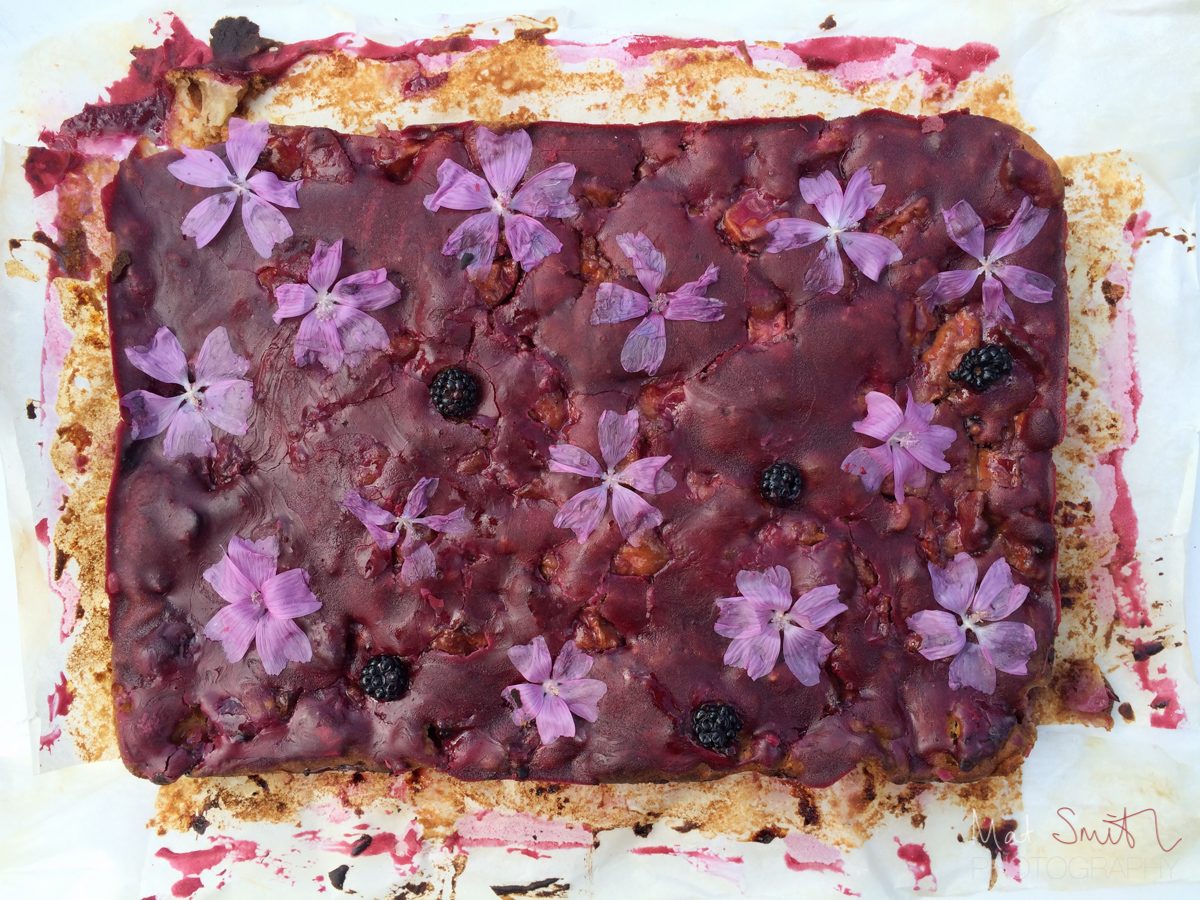
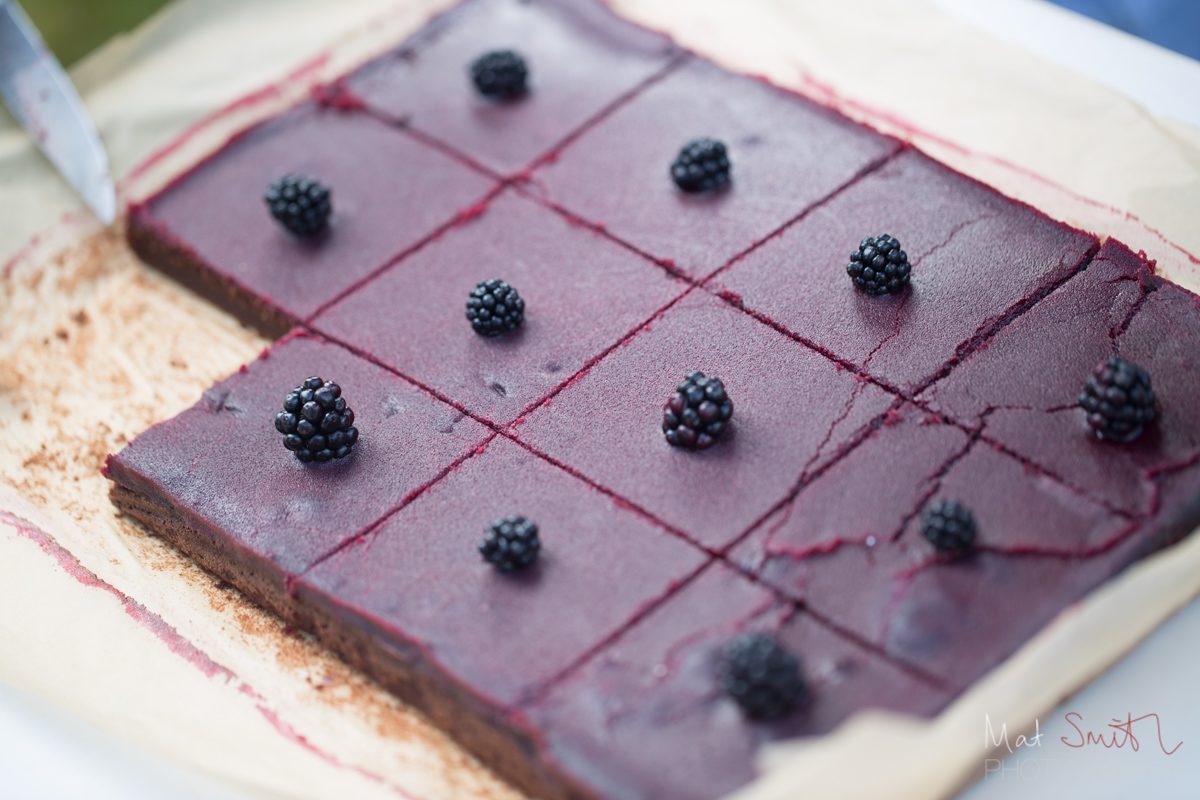
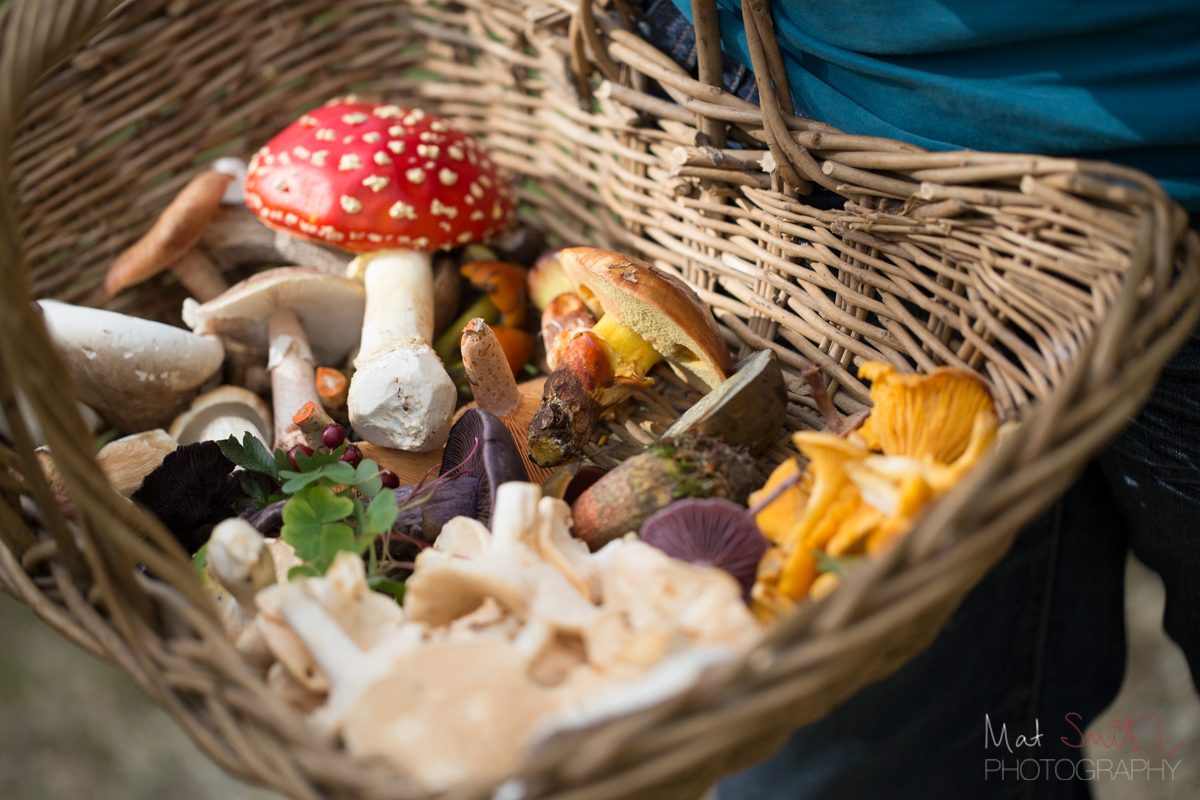
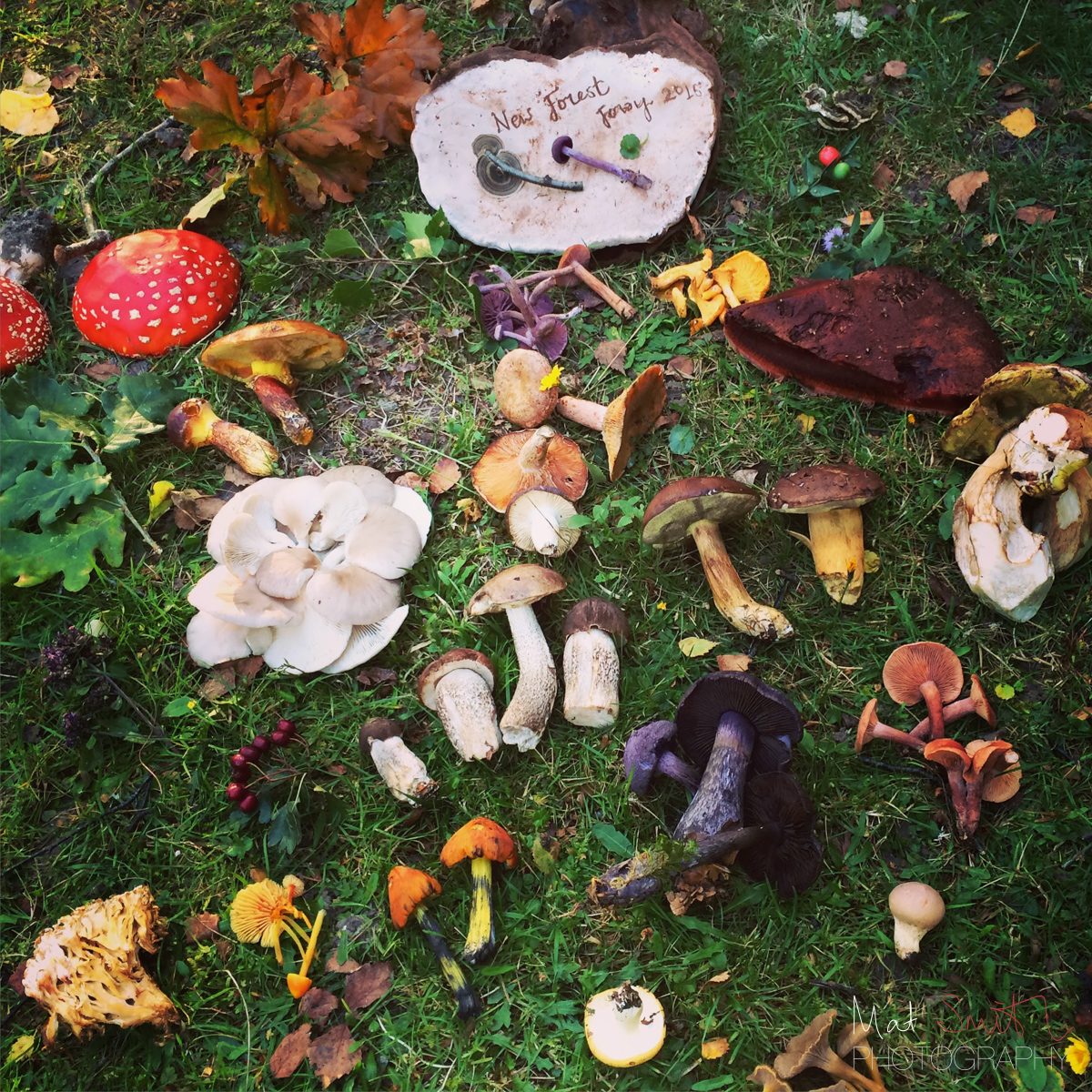
In the afternoon we were set free to practice what we had just learnt. This is what we found:
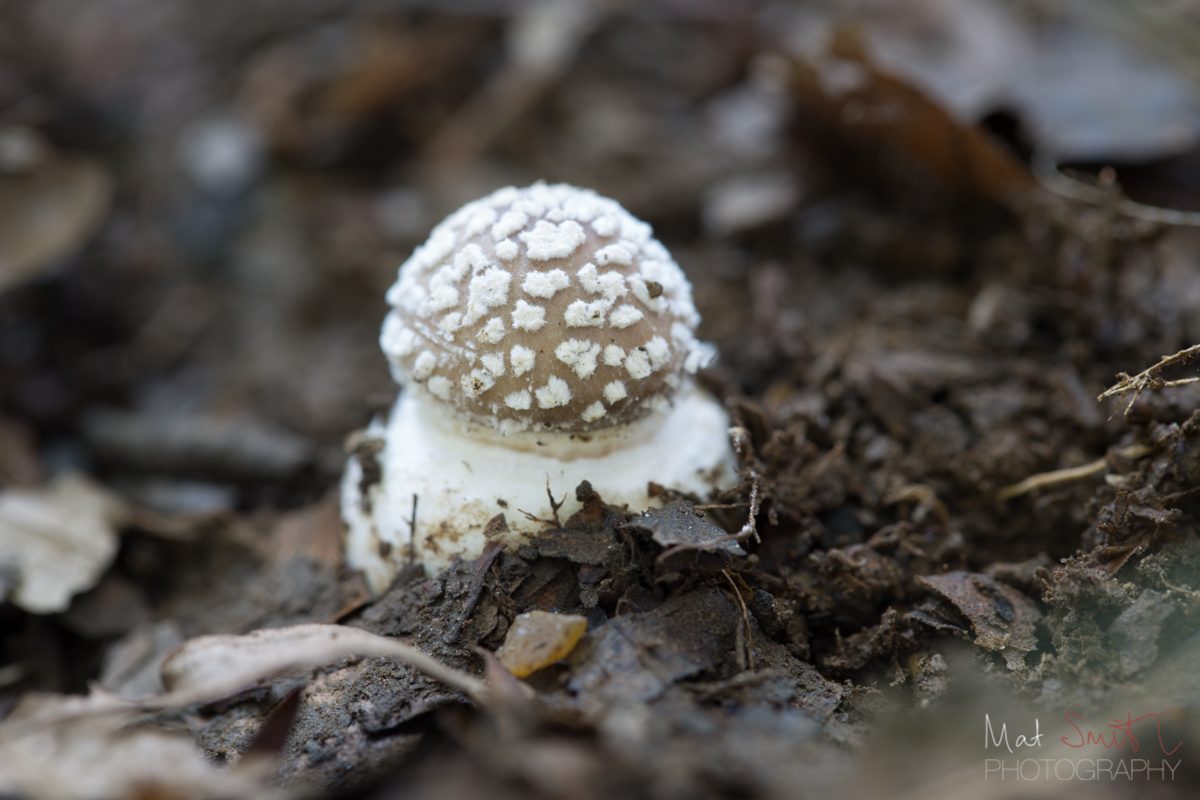
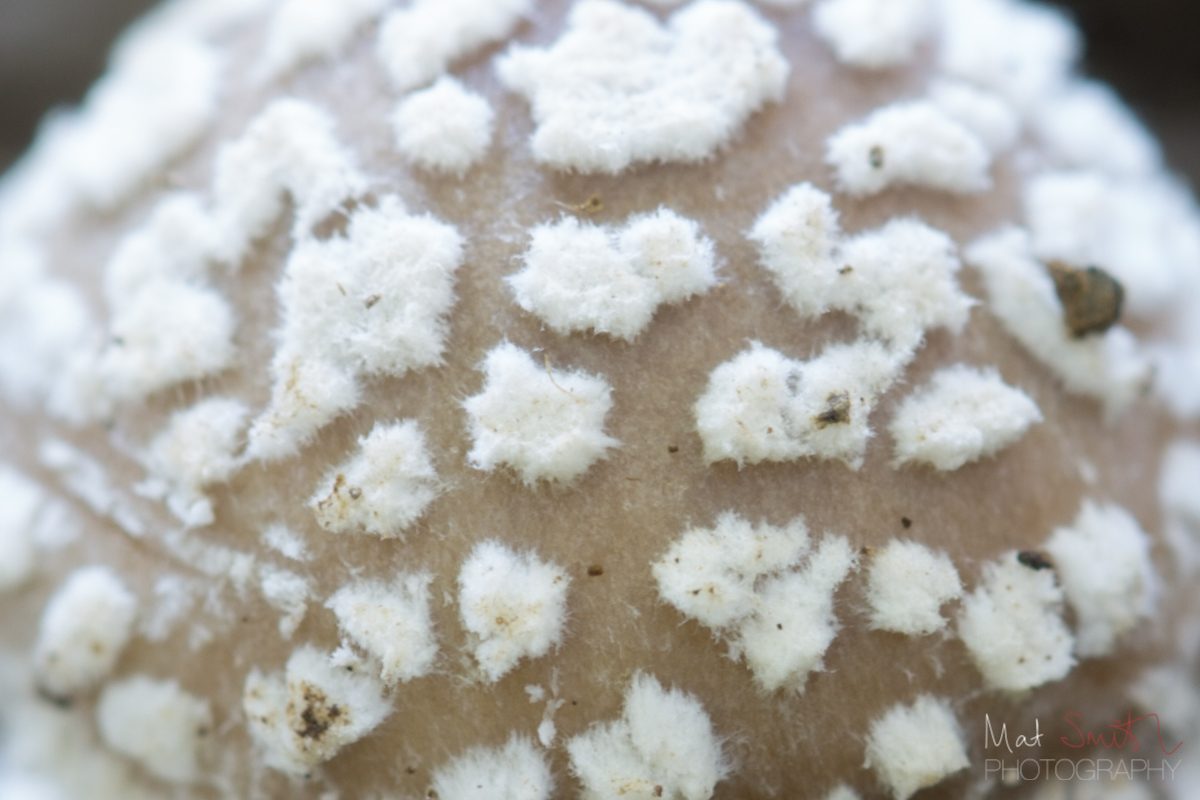
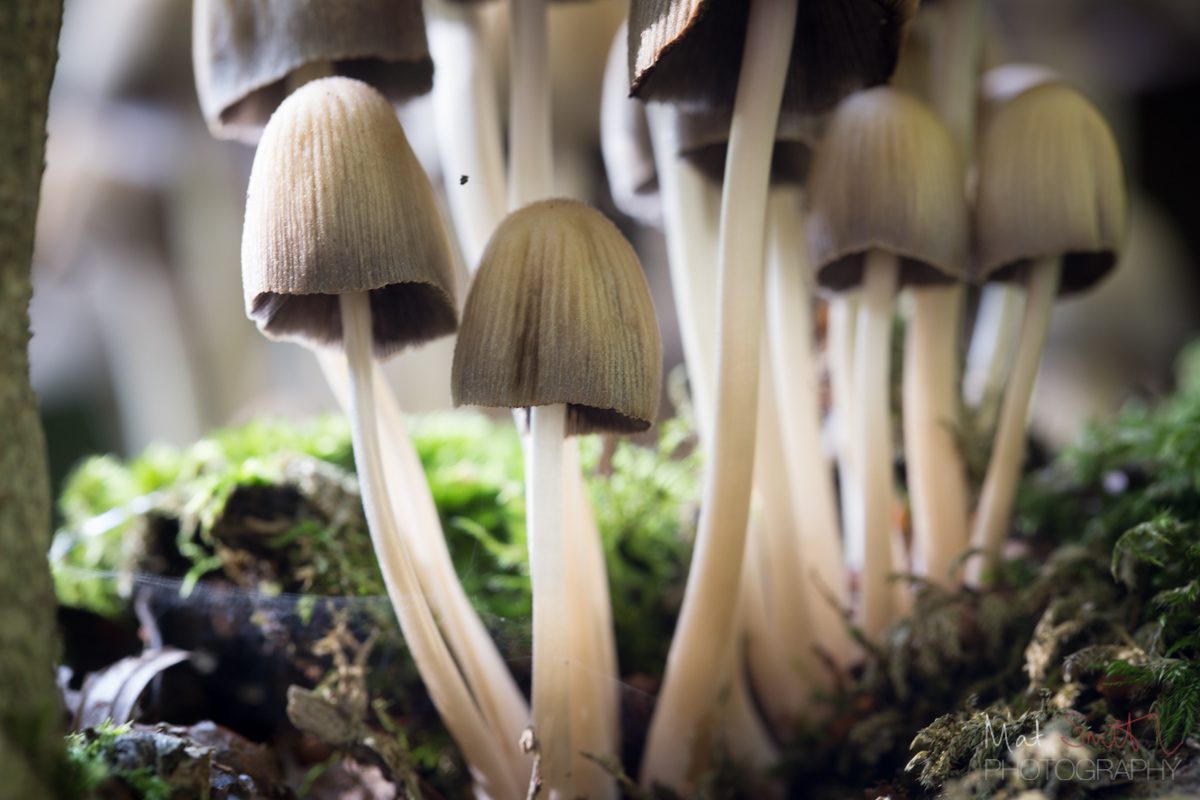
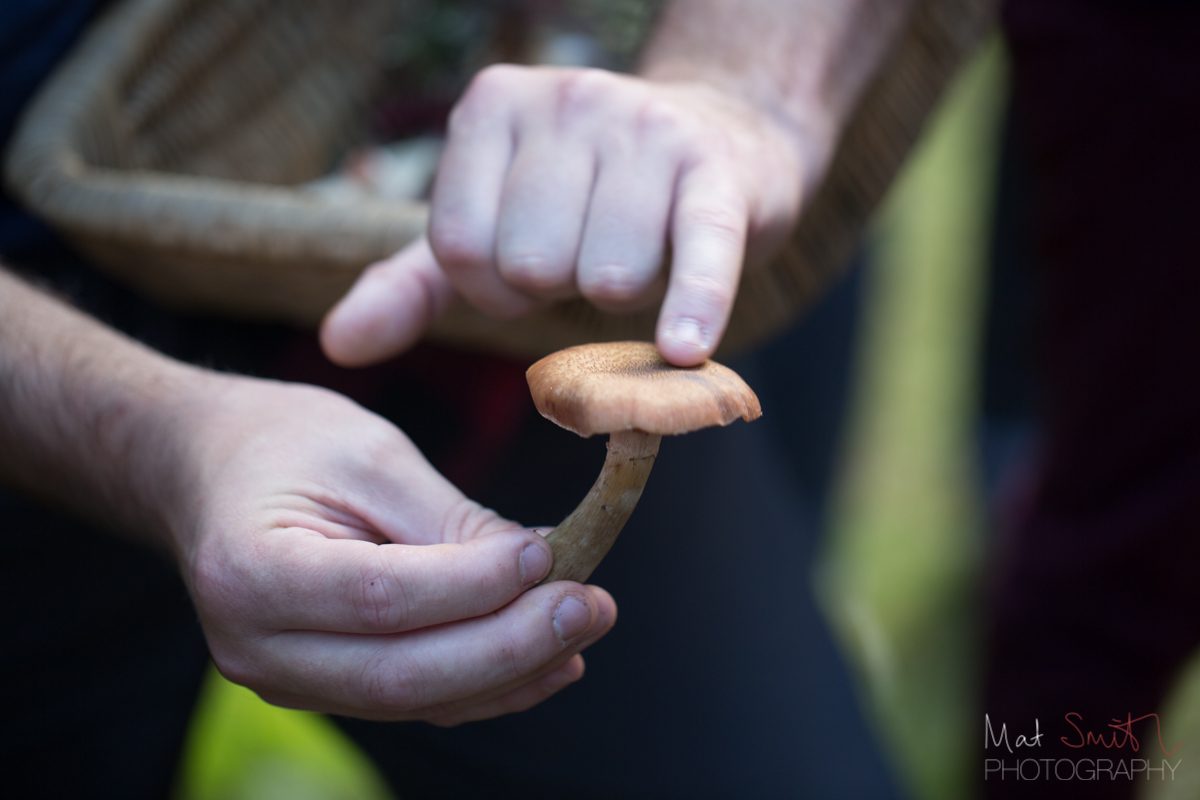
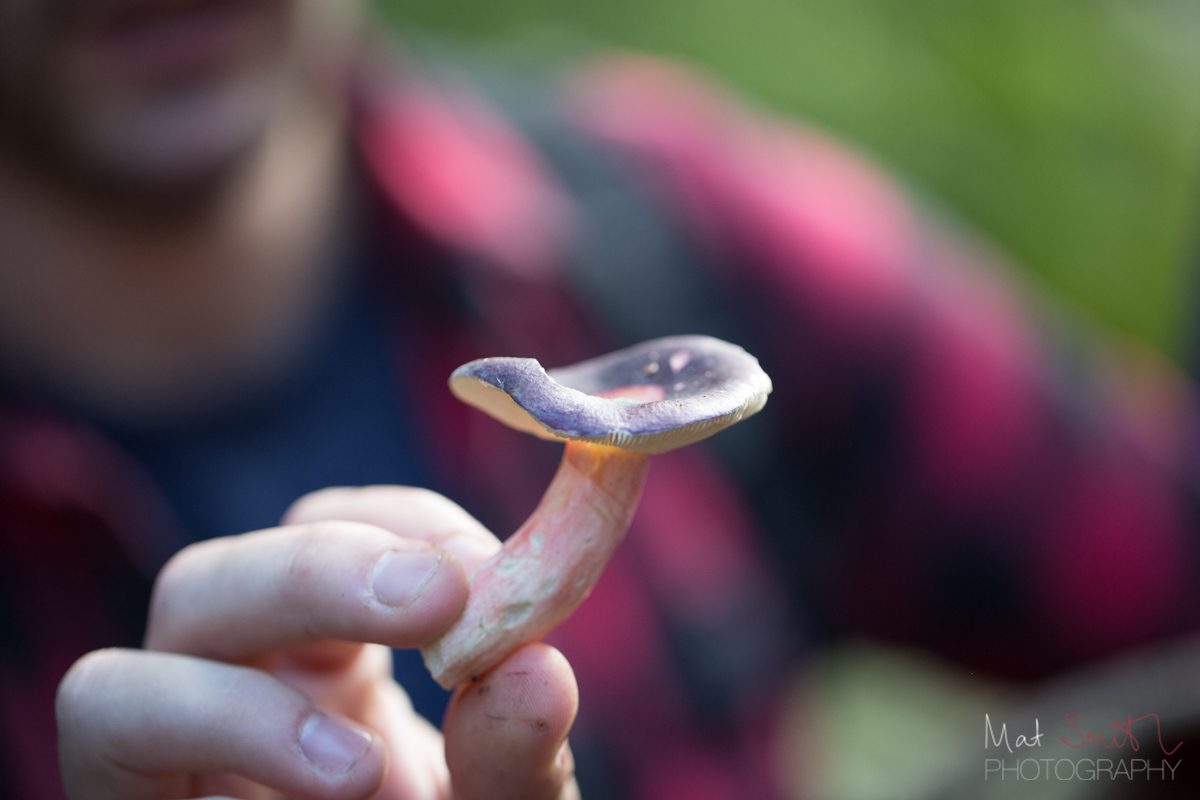
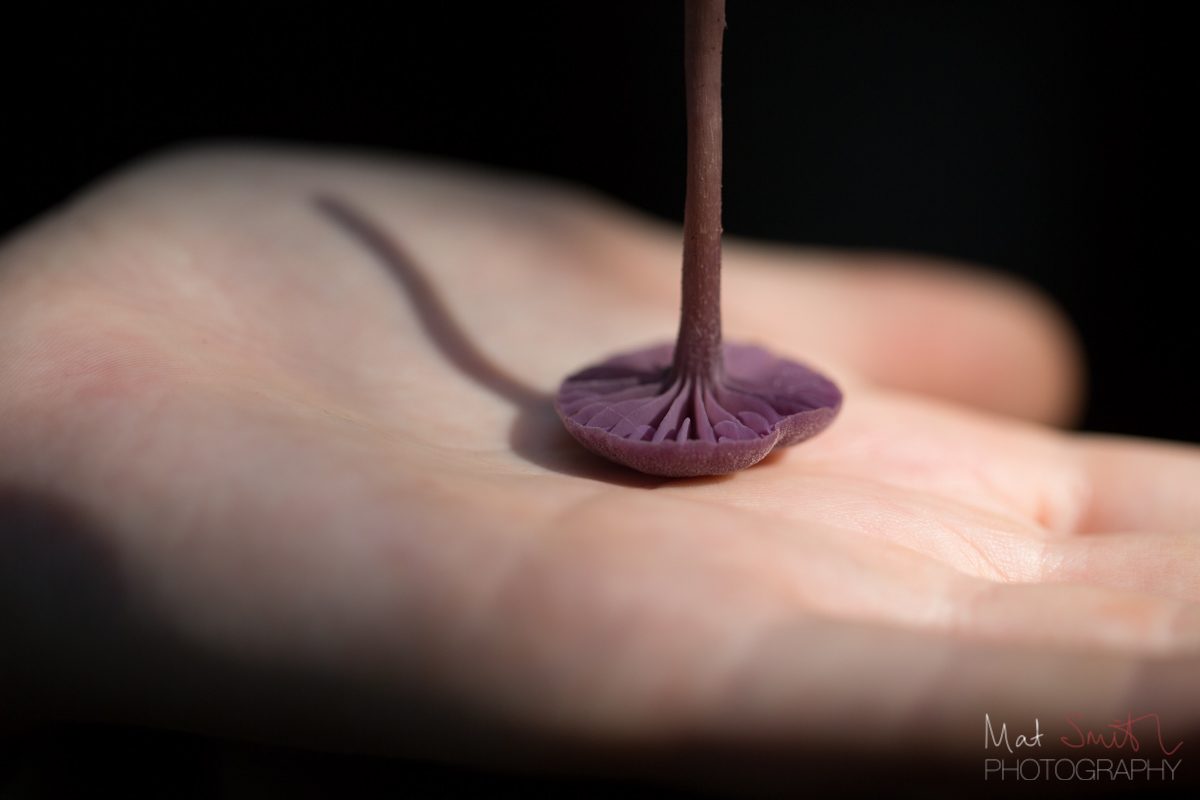
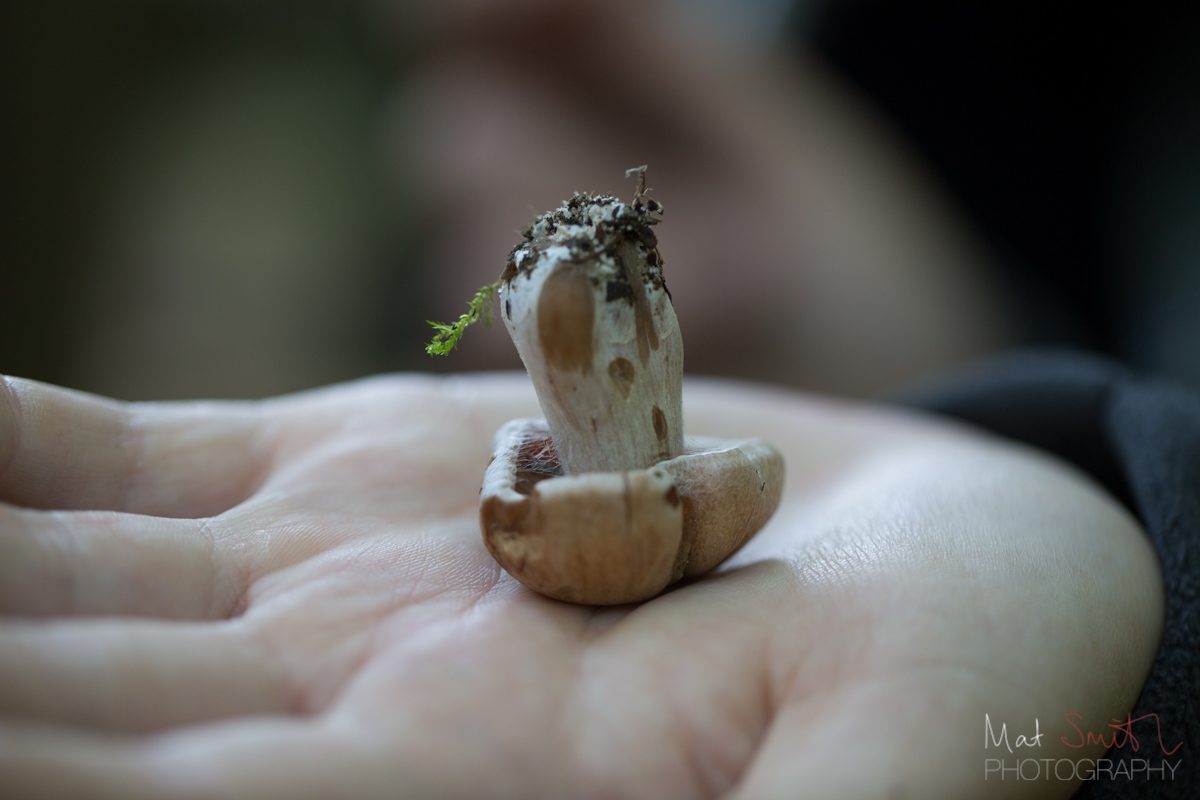
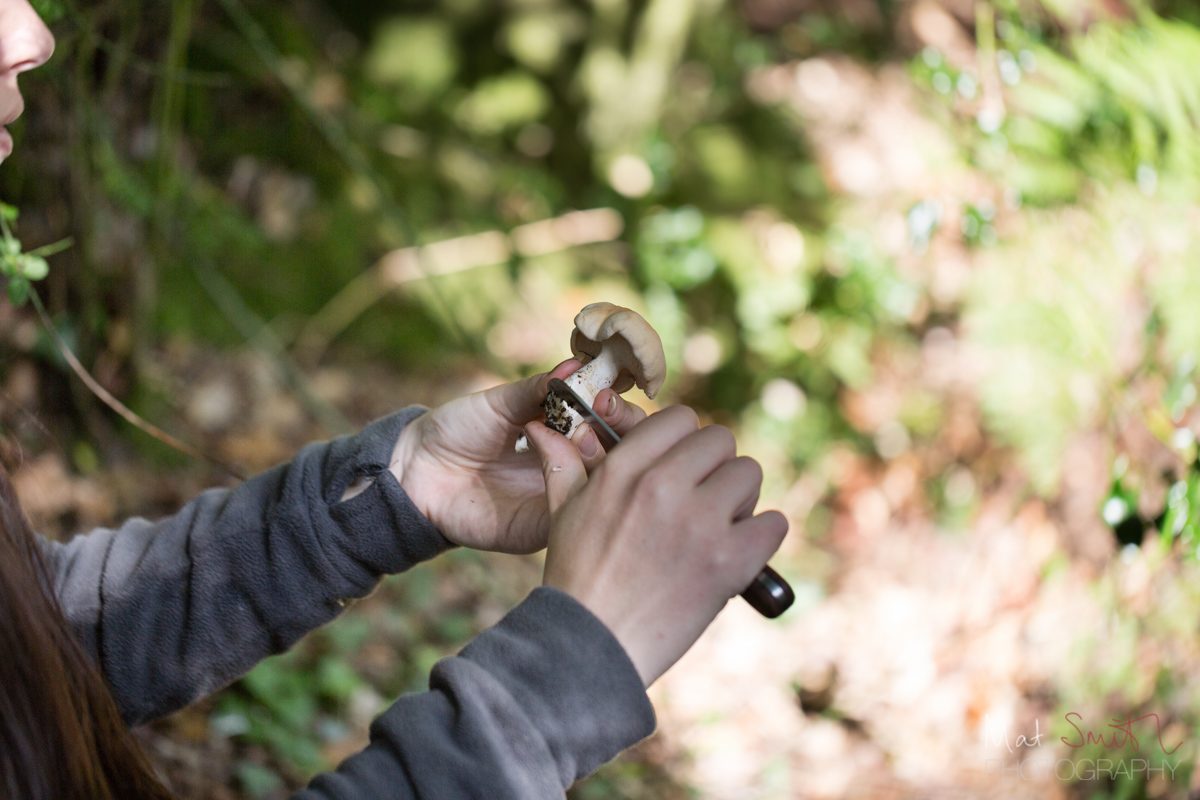
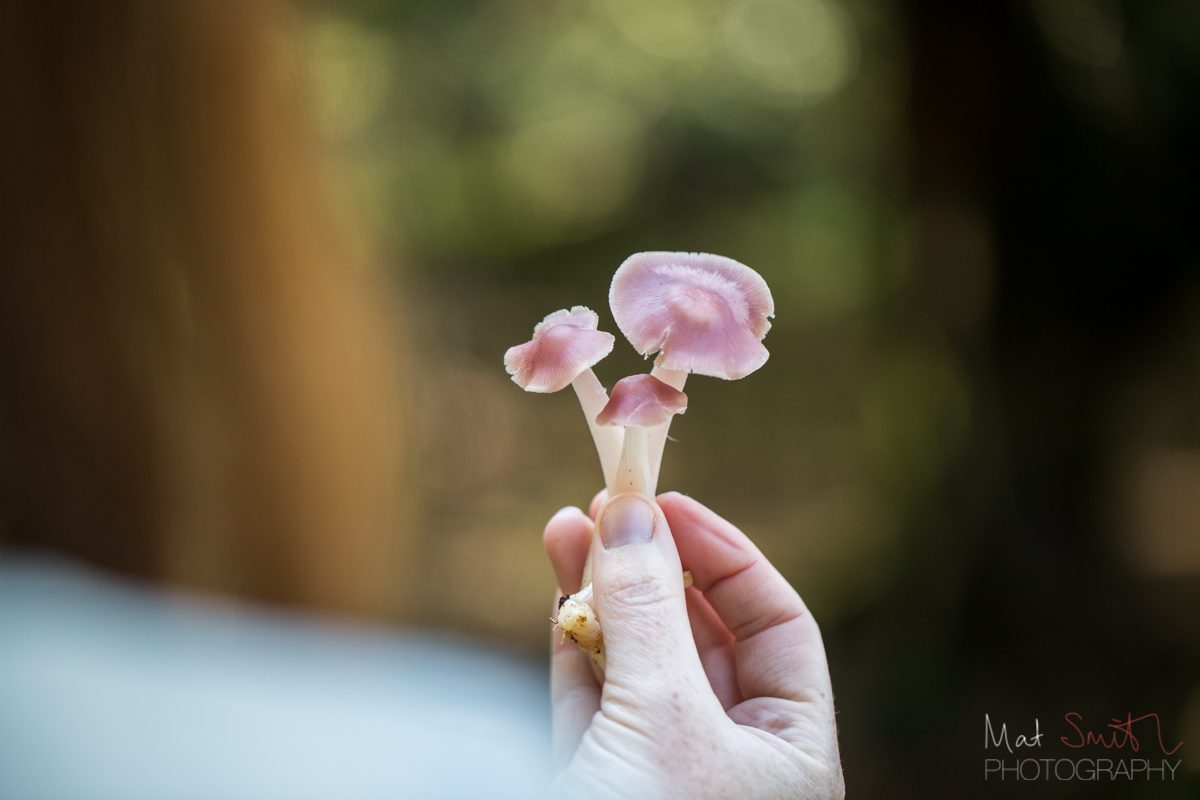
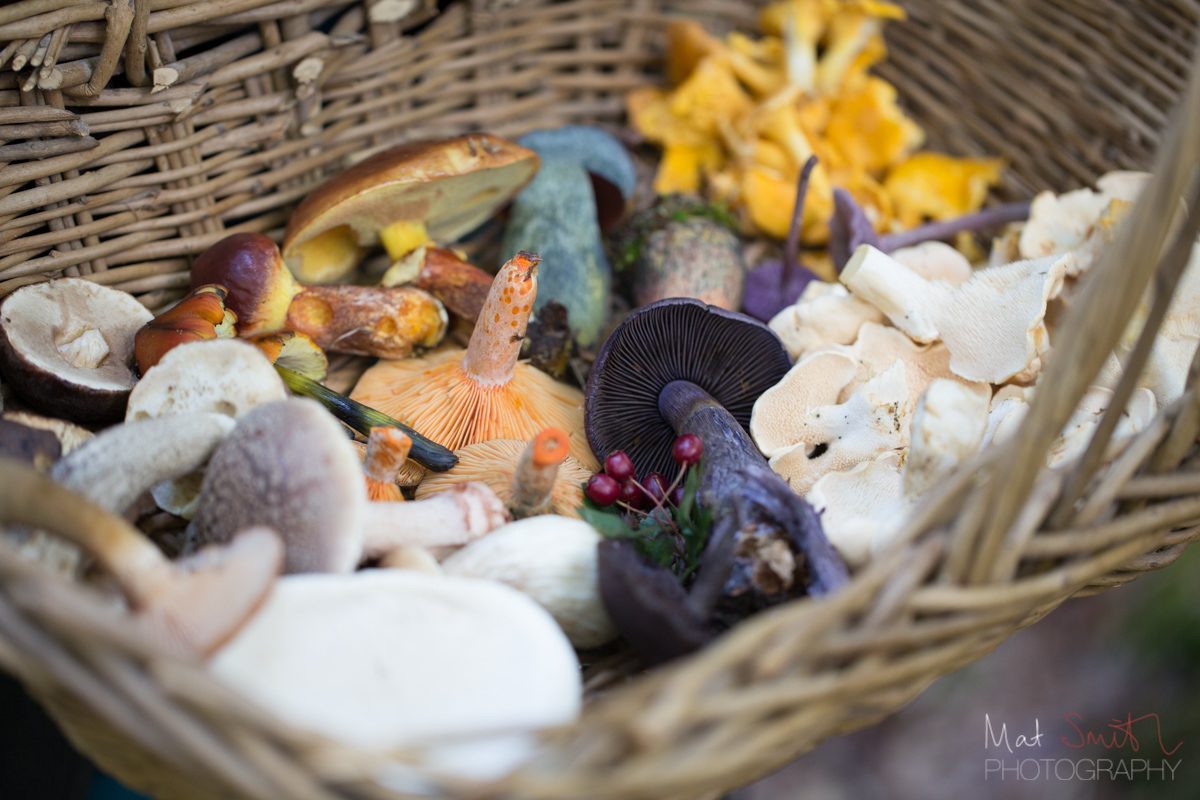
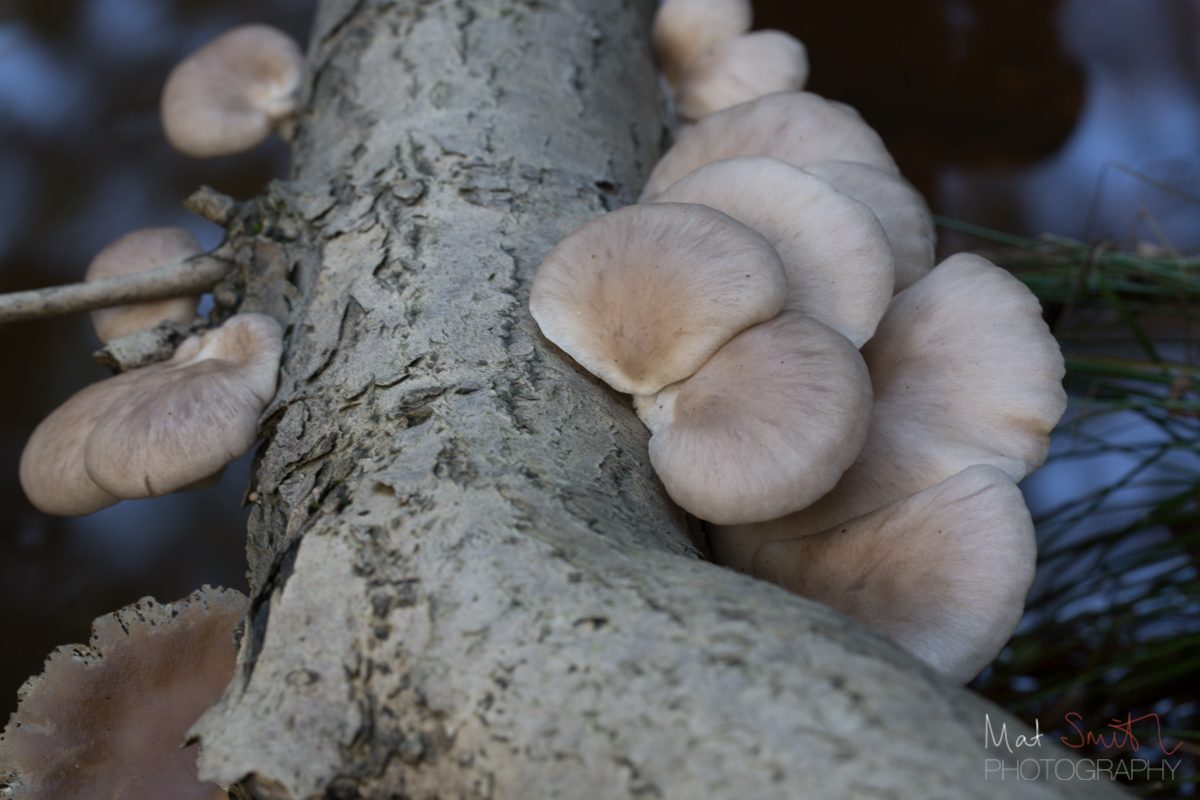
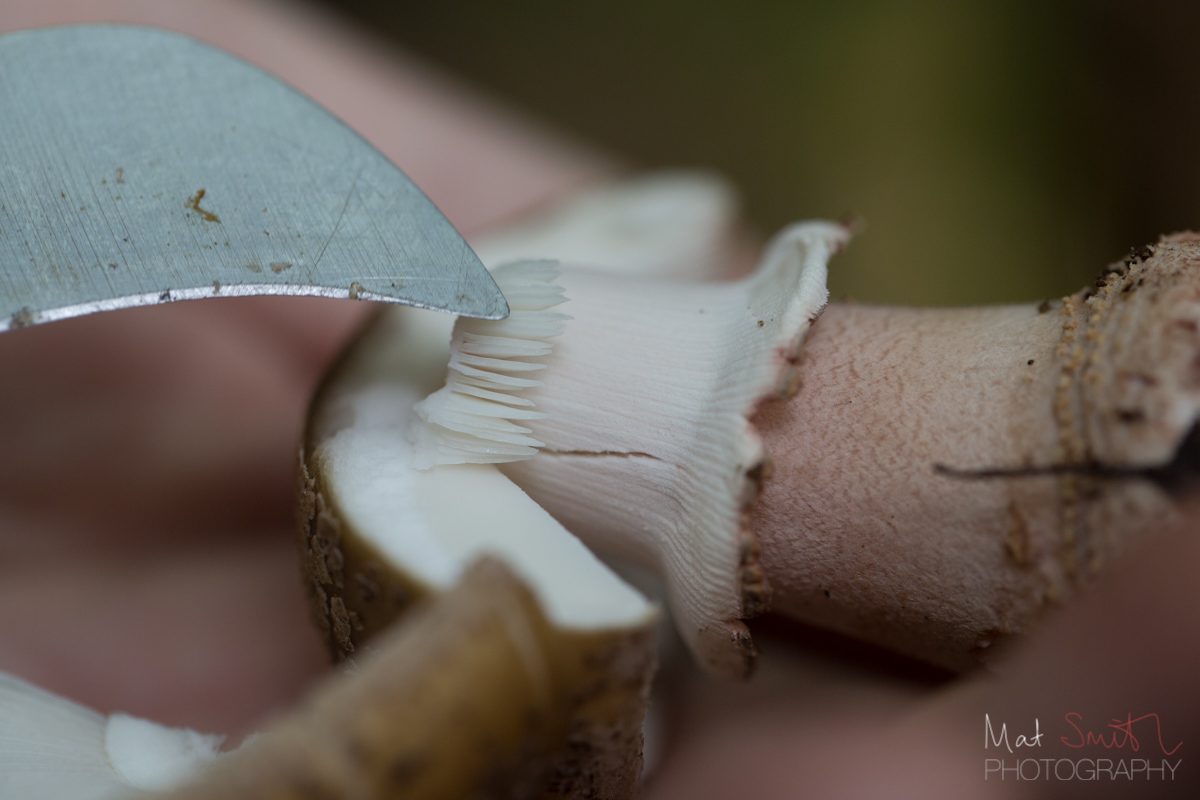
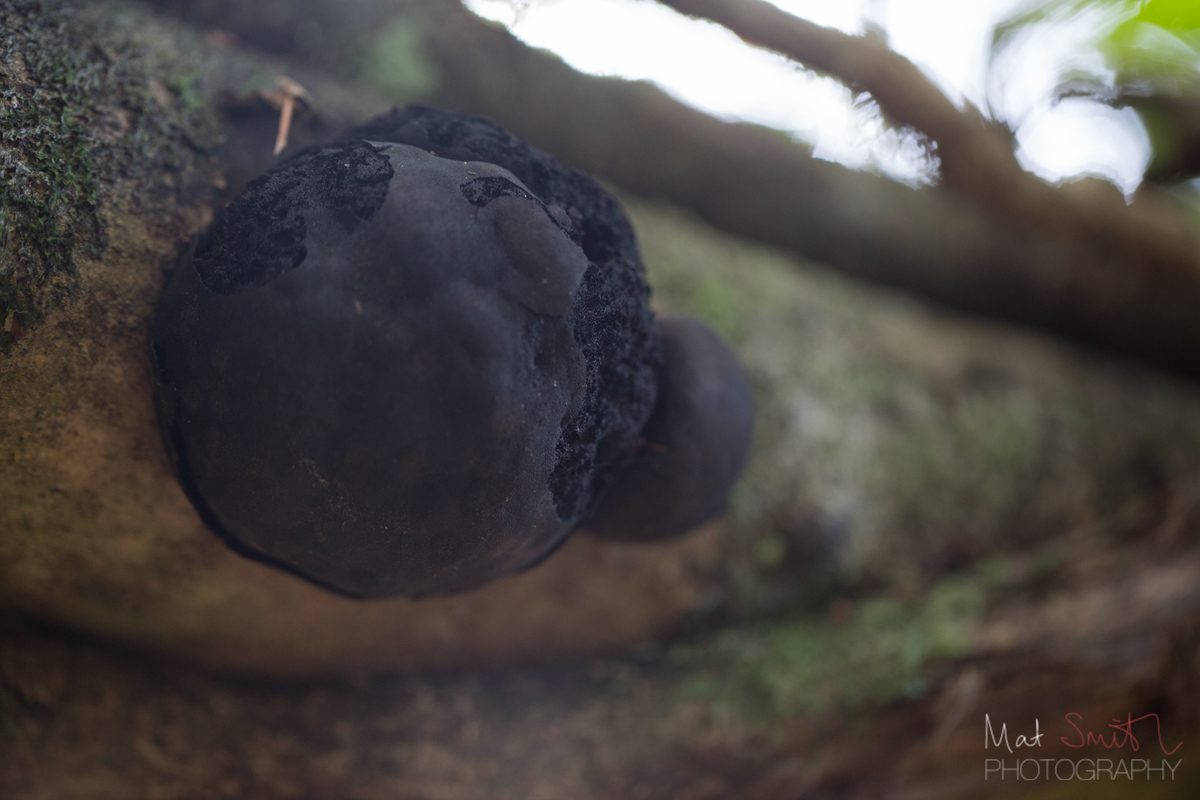
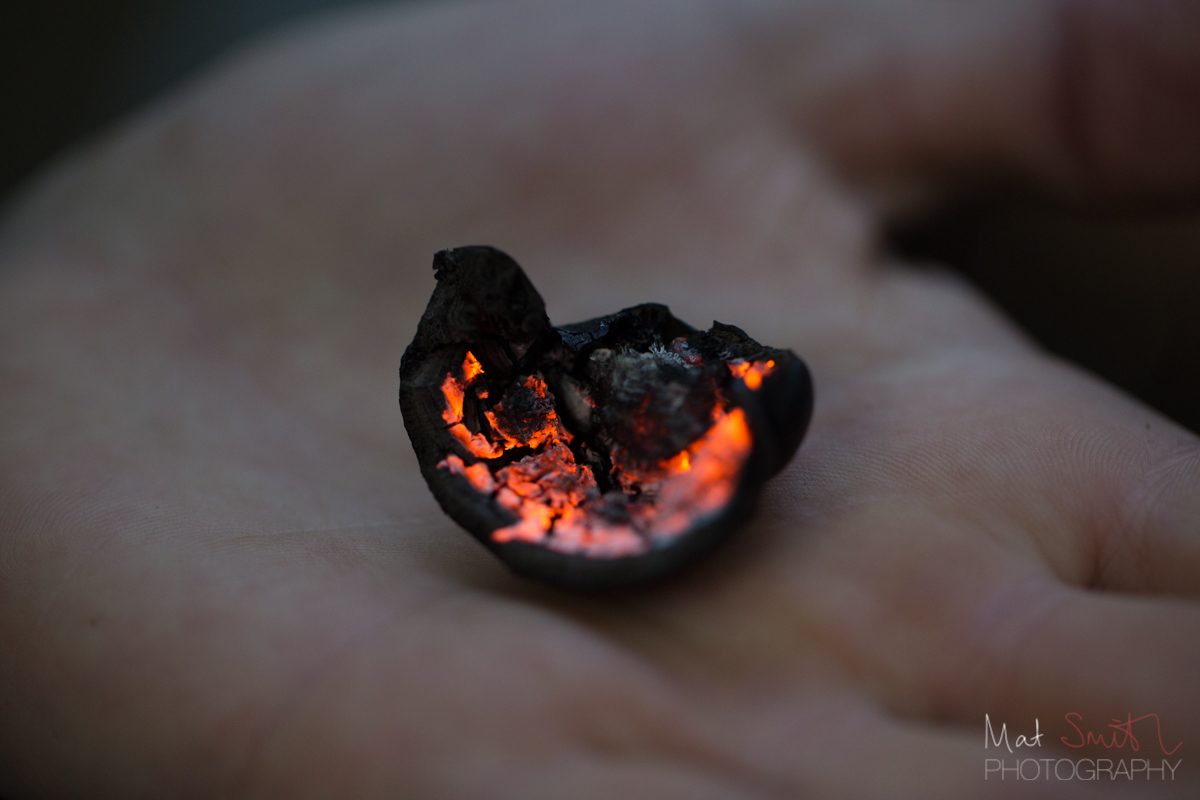
It's no over-statement to say that Lisa's course has re-invigourated my love of the outdoors. As a city dweller I'm seeing more and more the benefits of taking a 1-2 hour drive and spending hours just wandering and looking at things.
Excuse the Instagram-styled photo here (edited on the iphone in situ - never a good idea!), but isn't this spread just gorgeous?
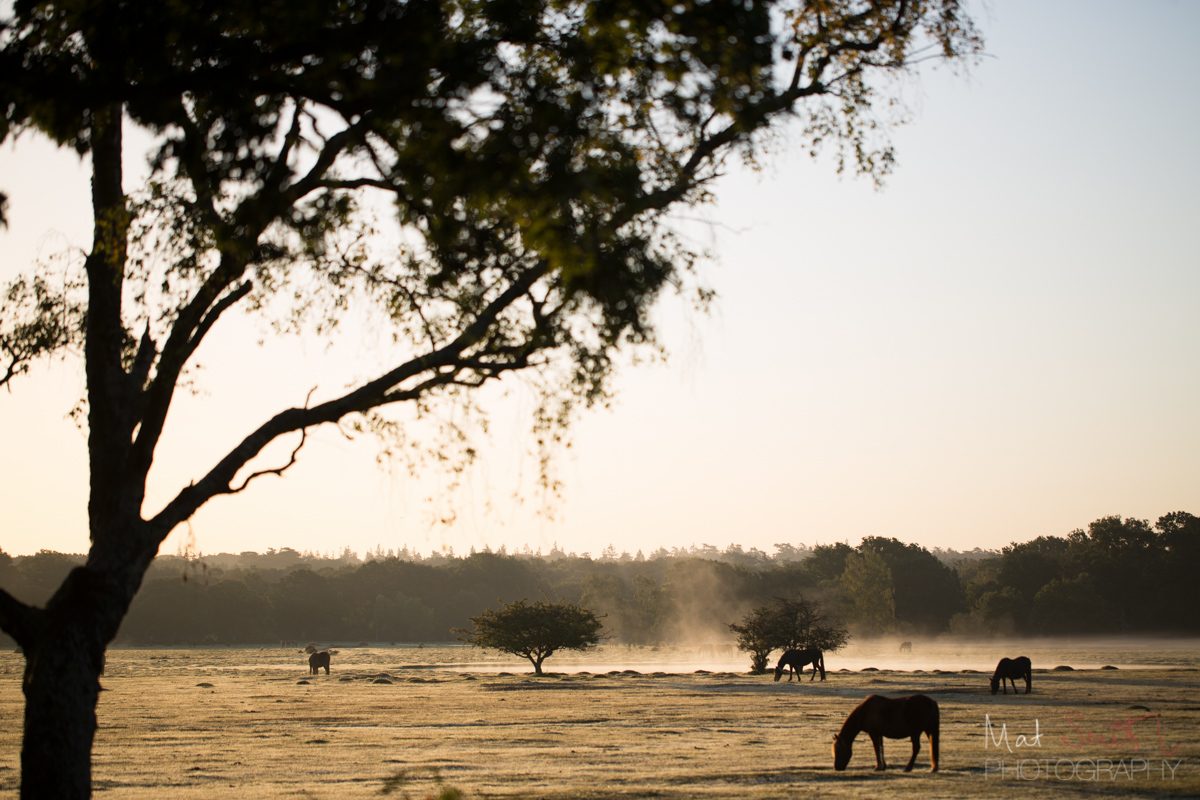
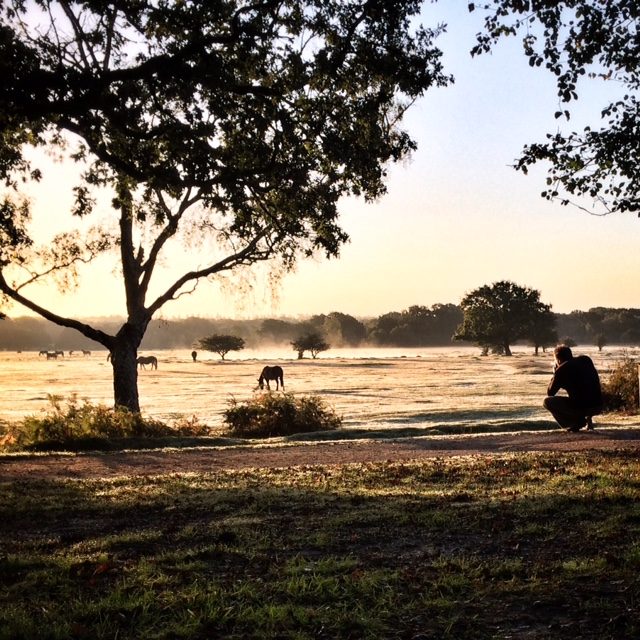
We weren't exactly "glamping", after all how can sleeping a mere 18 inches off the ground in a tent as long as my own body ever be considered glamourous? But I must say waking up to the stunning view of the New Forest sunrise the next day, pulling out the travel coffee kit, and cooking up a mushroom breakfast in front of a couple of wild ponies was experience never to be forgotten.
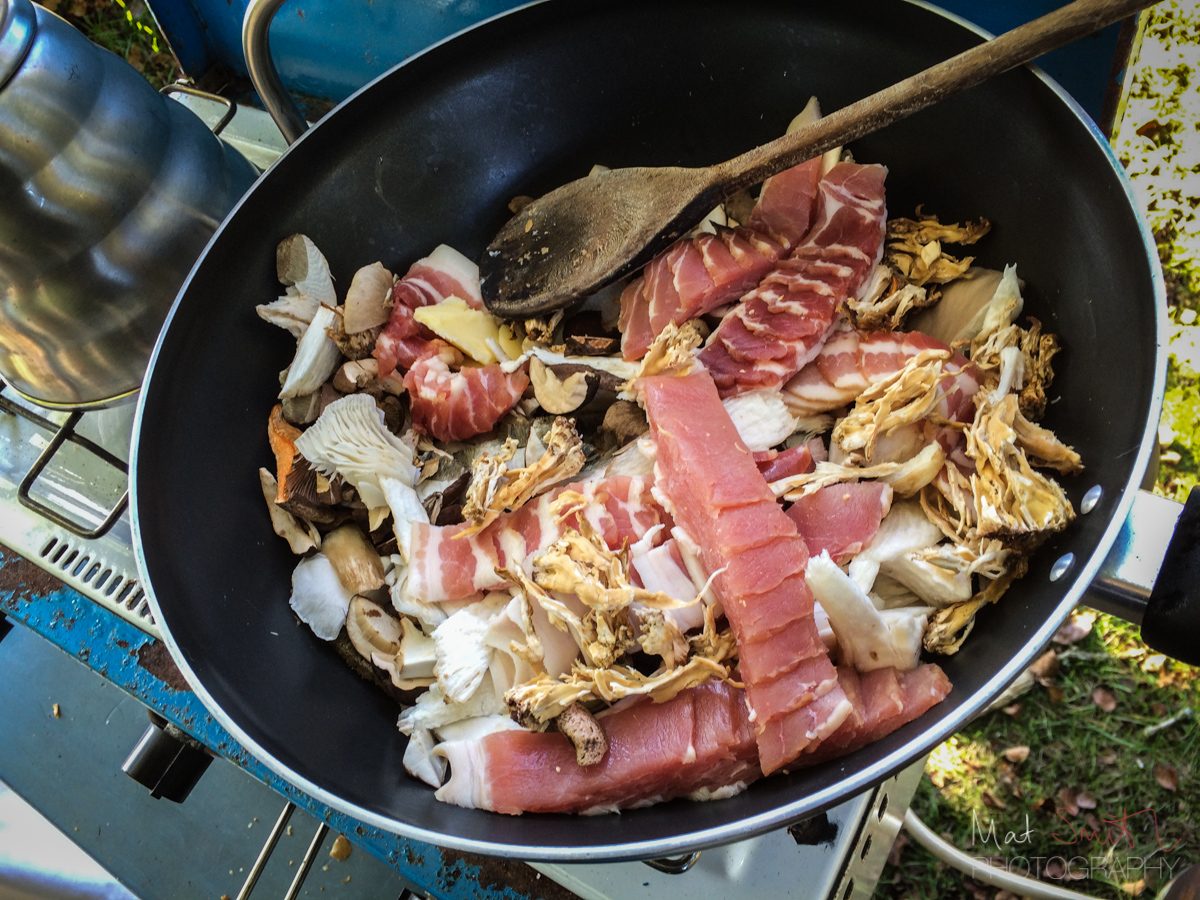
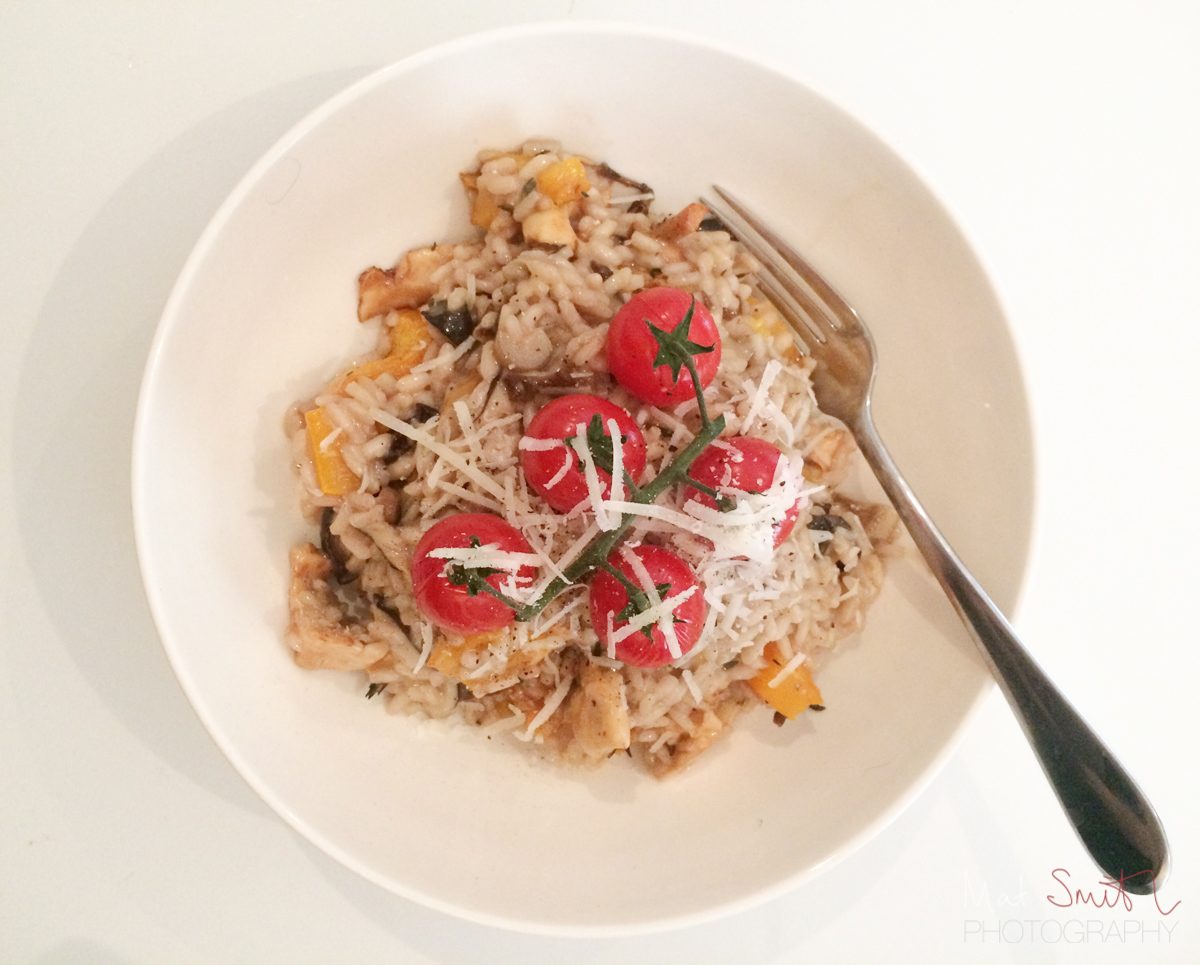
And the dinners have started to look a lot more like this ever since:
All photographs on this blog are Copyright Mat Smith Photography 2026 unless otherwise indicated.